
Disaster Planning While Disabled: Are You Prepared?
Posted by Build My Wheelchair on Oct 25th 2022
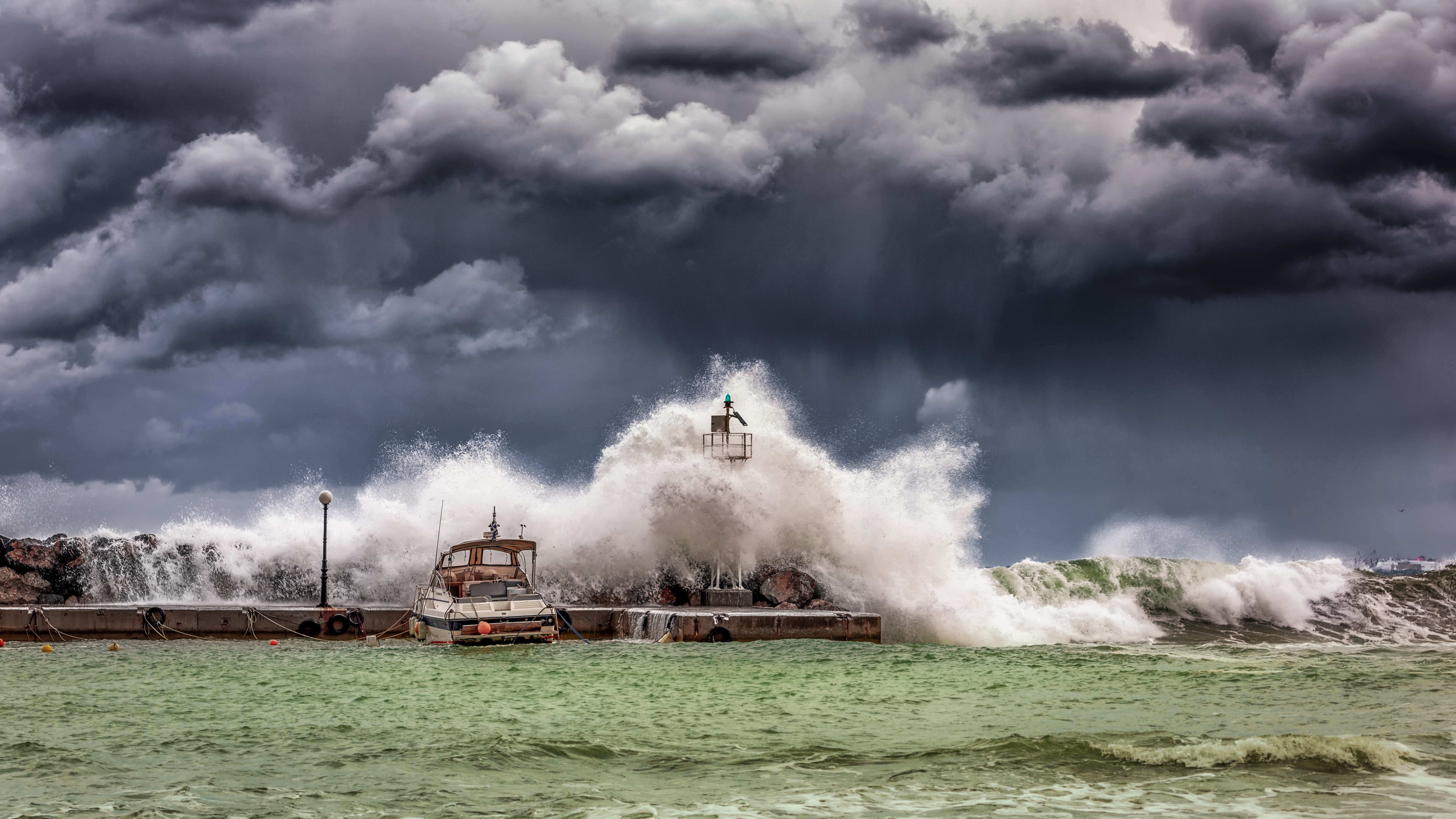
Disaster planning is important for everyone, but it's especially important if you're disabled. What would you do if a hurricane or tornado hit your town? What if there was a power outage and you couldn't leave your home? With hurricane season in full bloom in North America right now, today we'll be discussing some tips for disaster preparedness that are specific to wheelchair users and their families.
General Preparedness
There are some basic steps that everyone should take in order to be prepared for a disaster. The first step is to create an emergency plan. This plan should include things like evacuation routes, safe places to go, and who to contact in case of an emergency. It's also important to create a communication plan. This way, you can stay in touch with your loved ones if you're separated during a disaster.
Next, you'll want to assemble an emergency kit. This kit should have enough food, water, and supplies to last you and your family for at least three days. Make sure to include things like non-perishable food, a manual can opener, a first aid kit, and any medications that you or your family members take. As a disabled person, your emergency kit should also include items like a spare wheelchair battery, a list of your medical conditions and medications, and any other items that you might need in case of an emergency.
Disabled-Specific Preparedness
There are some additional steps that you should take if you're disabled. One of the most important things to do is to make sure that your home is accessible in case of an emergency. This means things like making sure there are no obstacles in your way, that you have a way to get out of your home if it's not safe, and that you have a plan for getting help if you need it.
Another important thing to do is to create a support network. This can include family, friends, neighbors, or even fellow disabled people. This network can help you with things like getting around if your home is not accessible, getting supplies or medications, and providing emotional support.
If you're a power wheelchair user, make sure it's fully charged and that you have a backup battery. If you use a manual wheelchair, make sure it's in good working condition and that you have extra tires. If you use any other type of mobility device, make sure you have a plan for how to use it in an emergency.
Finally, it's important to stay informed about the specific risks in your area and how to best prepare for them. This might mean signing up for alerts from your local government or weather service or following disability-specific organizations on social media. Some organizations we recommend include:
- The National Disability Rights Network
- American Red Cross
- Ready
- The Partnership For Inclusive Disaster Strategies
Disaster planning is an important part of life for everyone, especially those with disabilities. By following the tips in this blog post, you can be sure you and your family are as prepared as possible for whatever Mother Nature throws your way. Stay safe!