




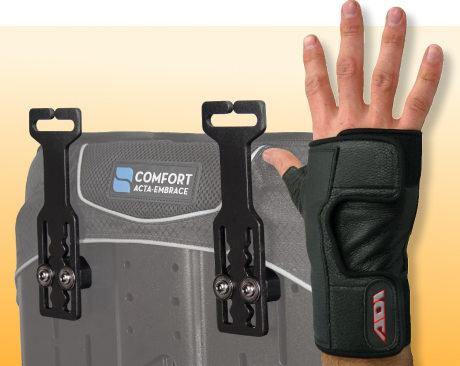
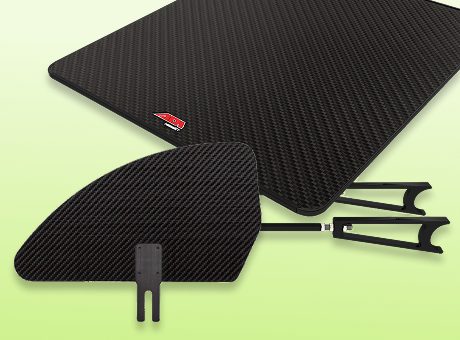

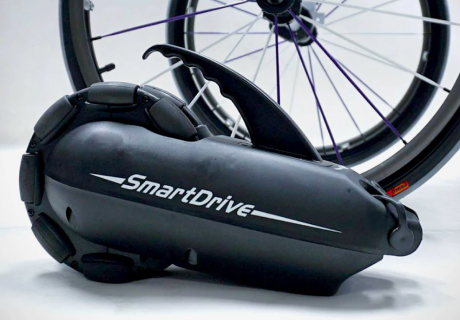
Not Listed on our Site?

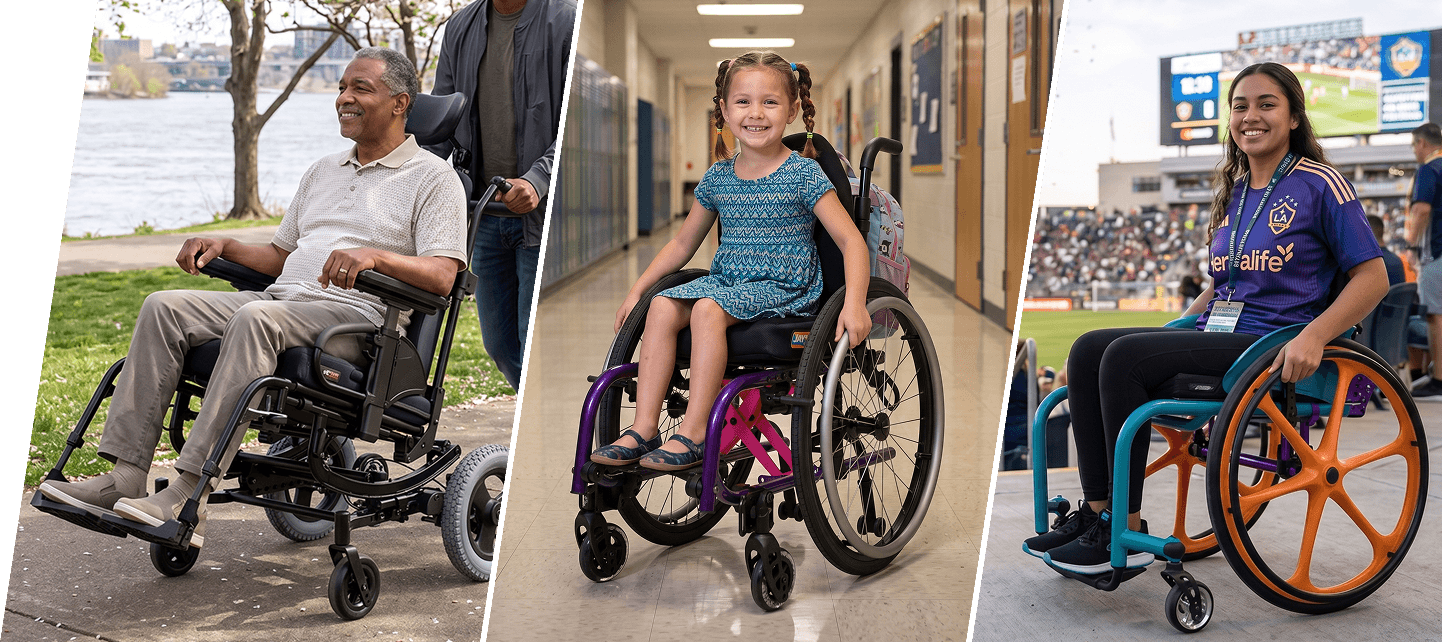
We provide custom-designed Ultra Lightweight Manual Wheelchairs that support what the independent user needs, whether it is a lower-level need or more highly advanced, with specialized functions.
What Type of Wheelchair are You Looking for?
> NEED HELP?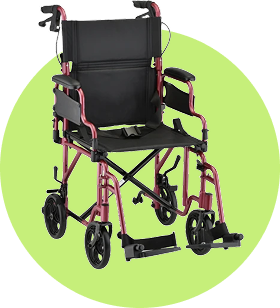
Transport Manual
Wheelchair
- Designed mainly for short trips and caregiver-assisted transport
- Small rear wheels; user generally cannot self-propel
- Caregiver pushes using rear handles
- Lightweight, compact, and usually folds easily
- Minimal seating adjustments and positioning options
- Best for airports, appointments, shopping, and occasional use
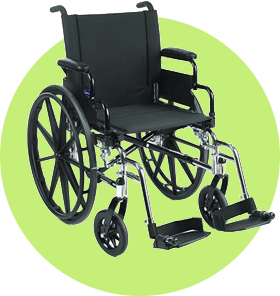
Standard Manual Wheelchair
- Traditional wheelchair with large rear wheels for self-propulsion
- Can also be pushed by a caregiver
- Typically heavier than lightweight or ultralightweight chairs
- Basic seat width, depth, armrest, and footrest options
- Usually built for general-purpose or intermittent use
- More economical, but less efficient for frequent independent propulsion
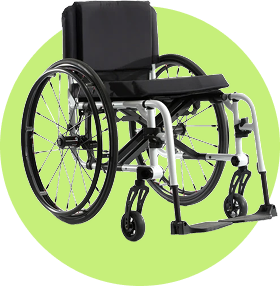
Ultralight Weight Wheelchair (Folding)
- Designed for active, independent, full-time users
- Significantly lighter and easier to propel than a standard wheelchair
- Highly adjustable: rear axle position, seat angle, back height, center of gravity, wheel configuration, etc.
- Available in rigid and folding frames
- Better propulsion efficiency can reduce effort on the shoulders and upper body
- Often individually configured to the user's measurements and functional needs
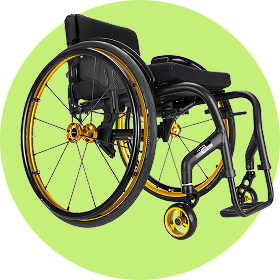
Ultralight Weight Wheelchair (Ultralightweight Rigid)
- Designed for active, independent, full-time users
- Significantly lighter and easier to propel than a standard wheelchair
- Highly adjustable: rear axle position, seat angle, back height, center of gravity, wheel configuration, etc.
- Available in rigid and folding frames
- Better propulsion efficiency can reduce effort on the shoulders and upper body
- Often individually configured to the user's measurements and functional needs
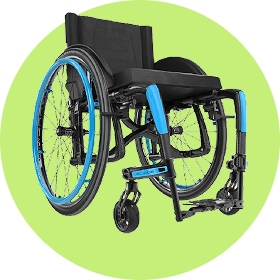
Carbon Fiber Wheelchair
- Refers primarily to the frame/material, rather than a separate functional wheelchair category
- Carbon fiber provides a very high strength-to-weight ratio
- Often extremely lightweight compared with conventional steel or aluminum frames
- Typically aimed at active users wanting easier propulsion, lifting, and transportation
- Can provide a stiff, responsive ride
- Usually more expensive and may have fewer adjustment options after manufacture, depending on the model
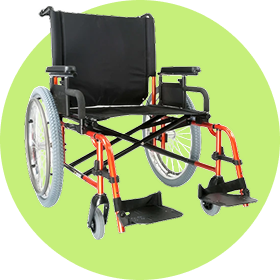
Bariatric Wheelchair
- Designed for users requiring higher weight capacities and/or wider seating
- Reinforced frame, cross-braces, wheels, axles, upholstery, and components
- Wider seat and overall chair dimensions than standard models
- Typically heavier because of the additional structural support
- Weight capacities vary substantially by model
- Important to consider doorway clearance, vehicle transport, ramps, and turning space
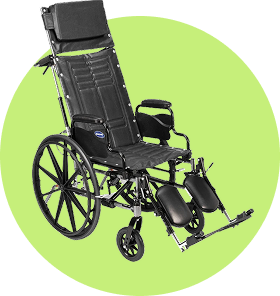
Reclining Wheelchair
- Backrest reclines backward relative to the seat
- Changes the user's hip angle
- Useful when a person needs to lie farther back for positioning, care, or comfort
- Often includes an elevating or adjustable leg-support system
- Reclining can increase the risk of the user sliding or shearing if positioning is not properly managed
- Usually requires more space behind the chair when reclined
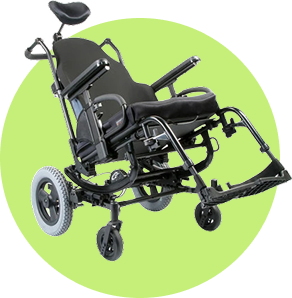
Tilt-in-Space Wheelchair
- The seat and back tilt together as one unit
- Maintains the user's hip, knee, and seating angles while changing orientation in space
- Common for users needing significant postural support, pressure redistribution, fatigue management, or caregiver-assisted positioning
- Usually offers more seating and positioning options than a standard wheelchair
- Often paired with specialized cushions, headrests, lateral supports, and other positioning components
- Generally heavier and more complex than standard manual wheelchairs
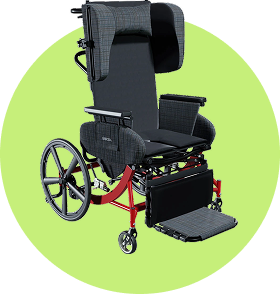
Long-Term Care Wheelchair
- Designed for daily, extended use in nursing homes, assisted living, or residential care
- Typically more durable and supportive than a basic standard wheelchair
- Often includes adjustable seating, removable armrests, elevating legrests, anti-tippers, and positioning accessories
- Commonly caregiver-propelled, though some models allow self-propulsion
- May offer higher seat-back options and pressure-management cushions
- Focus is on comfort, durability, positioning, and ease of caregiver assistance
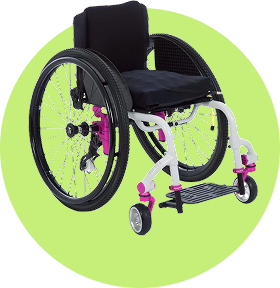
Pediatric Wheelchair
- Designed specifically for children and smaller users
- Smaller seat widths, depths, frame dimensions, and wheel sizes
- Often highly adjustable to accommodate growth
- Can be manual, tilt-in-space, reclining, or power-assisted depending on needs
- Frequently supports specialized positioning such as headrests, lateral supports, harnesses, and abductor pads
- Designed to balance mobility, development, posture, and caregiver access
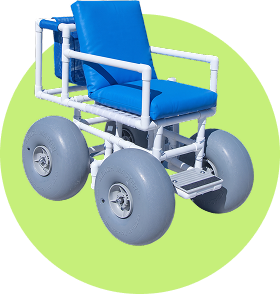
Beach Wheelchair
- Designed to travel over sand, gravel, and other soft or uneven surfaces
- Uses large, wide, low-pressure or balloon-style tires that resist sinking
- Usually caregiver-propelled rather than self-propelled
- Frame materials are often selected for corrosion resistance around water and salt
- Some models are designed to enter shallow water or float, while others are land-only
- Generally not intended to replace an everyday indoor wheelchair
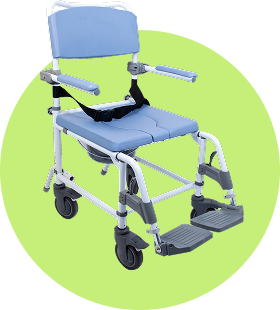
Non-Tilt Shower/Commode Wheelchair
- Designed for showering, toileting, and bathroom transfers
- Seat remains in a fixed upright position
- Typically constructed from water-resistant or corrosion-resistant materials
- Can roll over a toilet or be used with a removable commode pan
- Usually lighter, simpler, and less expensive than a tilt shower chair
- Best for users who can maintain adequate upright sitting balance and positioning
- Often includes locking casters, removable footrests, and padded or open-front hygiene seats
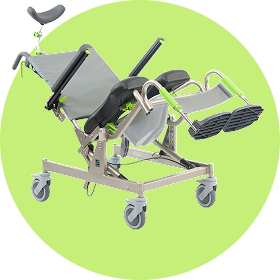
Tilt Shower/Commode Wheelchair
- Provides the same showering and toileting functions but allows the entire seating system to tilt backward
- Maintains the user's seated hip angle while changing their orientation
- Designed for users with limited trunk control, poor sitting balance, fatigue, or significant positioning needs
- Can improve caregiver access during bathing and personal care
- Often includes head support, adjustable footrests, lateral supports, and positioning belts
- Generally larger, heavier, and more expensive than non-tilt shower chairs
- Requires additional bathroom and maneuvering space
Shop Manual Wheelchairs from Leading Brands:
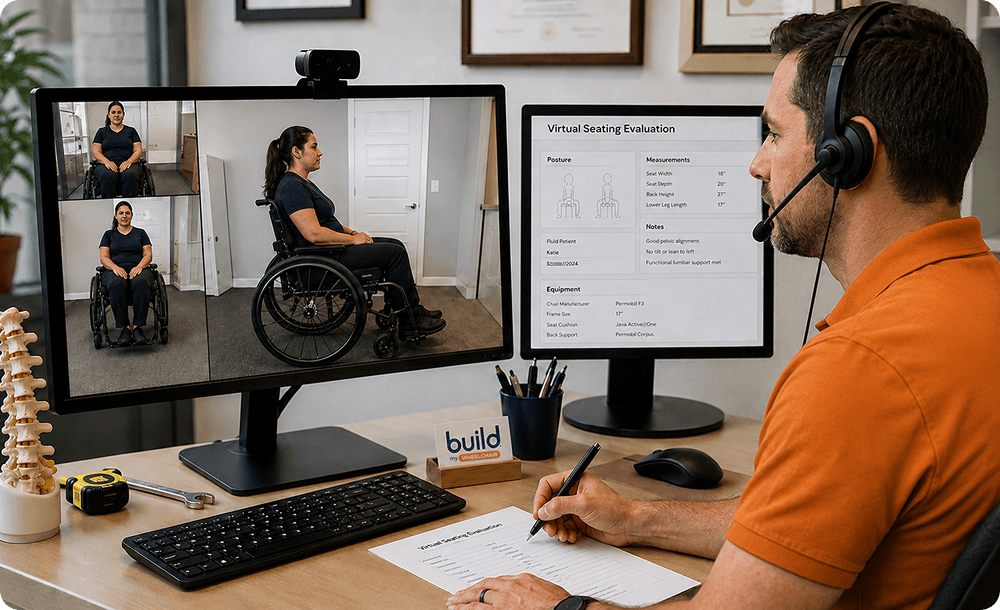
Need Help Finding the Right Wheelchair?
Schedule your wheelchair and seating consultation today! Choosing the right equipment is about comfort and independence. Our certified experts will assess your daily activities, comfort, and health needs to find your best fit. Get a personalized evaluation and make your choice with peace of mind.
Choosing the ATP consultation saved me so much time and potential headache! TROY was an amazing consult that took the time to hear my needs and recommend a power wheelchair that was perfect for me. I would highly recommend the great folks as Build My Wheelchair! — Denise R.