
Everything You Need to Know About the National Mobility Awareness Month
Posted by Build My Wheelchair on Apr 17th 2024
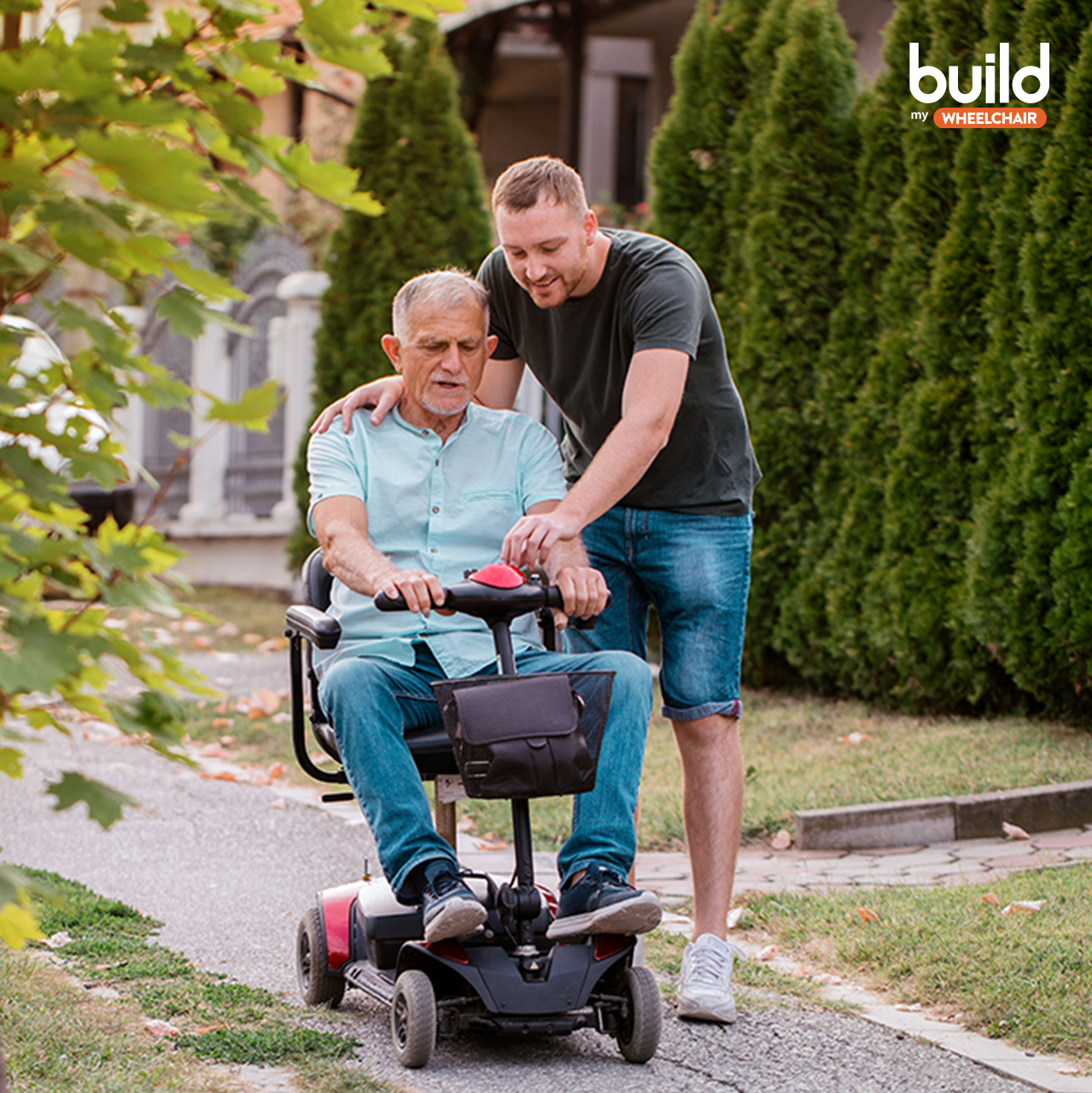
May is a special month, not just because of the flowers and warm weather, but because it's National Mobility Awareness Month. Don’t confuse it with the Developmental Disabilities Awareness Month, which falls in March every year.
National Mobility Awareness Month is dedicated to recognizing and celebrating those among us who live with mobility issues. We often forget that disability knows no race, religion, gender, or social status.
Our society has seen many successful people with disabilities, whether it’s Ralph Braun or John Nash. May month gives us the time to shine a light on what they have achieved, the challenges they face, and how we can all come together to build a better society for everyone.
Let's learn more about National Mobility Awareness Month.
How Many Americans Live with Mobility Disability
More people live with mobility disabilities than you might think.
According to the World Health Organization (WHO), an estimated 1.3 billion people live with a significant disability, which is 16% of the world’s population, or 1 in 6 of us. WHO also states that people with disabilities have twice the risk of developing conditions such as depression, asthma, diabetes, stroke, obesity, or poor oral health.
According to the Centers for Disease Control and Prevention (CDC), up to 1 in 4 (27%) adults in the United States have some form of disability. The data also states that 12.1% of U.S. adults have a mobility disability with serious difficulty walking or climbing stairs.
That means millions of people find daily activities challenging. They cannot walk, climb stairs, or socialize like the rest of us. National Mobility Awareness Month draws our attention to their challenges and aims to spread disability awareness.
The History of Mobility Awareness Month
Since 2012, May has been recognized as National Mobility Awareness Month (NMAM). It began as a way to highlight the needs and achievements of people with disabilities. Over the years, it has grown into a broader movement.
The National Mobility Equipment Dealers Association, or NMEDA, has always been at the heart of National Mobility Awareness Month. NMEDA has sponsored National Mobility Awareness Month since its inception.
This month is dedicated to various activities that help in spreading awareness, promoting independence for people with disabilities, and supporting mobility initiatives across the nation.
What Challenges Do People with Mobility Disabilities Face
Most people think that the Americans with Disabilities Act leveled the playing field for people with disabilities. The reality is far from ideal. Many people with disabilities continue to face a myriad of challenges.
Some challenges they face include:
1. Physical Barriers in Public Spaces
You can still find places that are not accessible to people with disabilities. Many wheelchair users struggle to find accessible transportation, public buildings, restrooms, and workplaces. This makes it challenging for them to go about their daily lives. They cannot attend events, socialize, or travel comfortably when needed.
2. Limited Access to Personalized Mobility Aids
Every person with a disability has unique mobility needs. They often need power wheelchairs or scooters tailored to their unique needs. Unfortunately, finding the perfect wheelchair, scooter, or other adaptive mobility solutions is easier said than done. People with disabilities face delays, discomfort, and even the risk of accidents because the available options don't meet their specific requirements.
3. Financial Burdens of Mobility Aids
The major obstacle to personalized mobility aids is their prohibitive costs. Mobility aids like wheelchairs, scooters, and vehicle lifts can be expensive. Insurance is often inadequate. It doesn’t cover the cost of these adaptive mobility solutions. And although financing options are available, not everyone can afford them.
4. Healthcare Accessibility and Support
Healthcare is another challenge for people with disabilities.
According to the CDC, 25% of adults with disabilities (18 to 44 years) do not have a usual healthcare provider or have an unmet healthcare need because of cost. Also, 20% of adults with disabilities (45 to 64 years) did not have a routine check-up.
These numbers tell us about the plight of people with disabilities. They often struggle to find healthcare services because they lack the means (funds) or accessible transportation.
5. Social and Employment Discrimination
People with mobility disabilities continue to face unfair treatment and misunderstandings. That often translates into fewer job opportunities. With no income, people with disabilities cannot afford healthcare. It’s a vicious cycle. We need to break down these barriers and strive for more inclusive communities.
6. Lack of Awareness and Understanding
Many people still don't recognize or accept mobility disability. They often fail to understand what it's like to live with it. This lack of awareness can lead to prejudice, isolation, and even discrimination. More education, accessibility awareness, and open conversation can help change this.
How Can You Support Mobility Initiatives
Spreading awareness, educating people, and advocating for accessibility are slowly changing things. You can also be a part of this change. Here’s what you can do to support our friends with disabilities.
1. Educate Yourself and Others
Start by learning about mobility disabilities and the barriers people with disabilities face. You can visit websites like ada.gov or accessibility.com to learn more about mobility disabilities. Watch out for local disability and accessibility awareness programs. Share this knowledge with others. Sharing what you have learned can change how others think and act.
2. Volunteer
This National Mobility Awareness Month, work with organizations involved in spreading awareness. Participate in local events, charities, and activities to show your support. You can help organize events in the local community or offices through remote support. Even a small effort can go a long way in improving many lives.
3. Donate
Nonprofits working on mobility disabilities are always in need of funds. Your donation, no matter how small, can help fund research, support services, and provide mobility aids and healthcare to those who can't afford them. Look for reputable charities and non-profits where your donation can make an impact.
4. Advocate for Accessibility
Push for changes in your community or workplace. Try to make it as accessible for people with disabilities as possible. You can support and advocate for local legislation. You can talk to your office management and help them understand the importance of accessibility.
5. Support Inclusive Employment
Besides advocating for accessibility, you can encourage your workplace to hire people with mobility disabilities. You can advocate for mobility rights, an accessible workplace, and promote diversity in hiring.
Conclusion
As we observe National Mobility Awareness Month, let’s actively get involved. We’ve come a long way since the ADA was enacted in 1990. But we still have a lot of ground to cover. The more passionately we spread awareness, the more time we dedicate to it, and the better lives people with disabilities can lead. Remember, even the smallest support counts, whether it’s a donation or advocacy for mobility rights.
And for the mobility aids, you don’t have to look further than Build My Wheelchair. You can find the right mobility aid, be it a scooter, wheelchair, vehicle lift, or home care. Browse our website or call (844) 269-4335 now!