
How To Safely Install a Wheelchair Ramp At Home
Posted by Build My Wheelchair on Jun 8th 2022
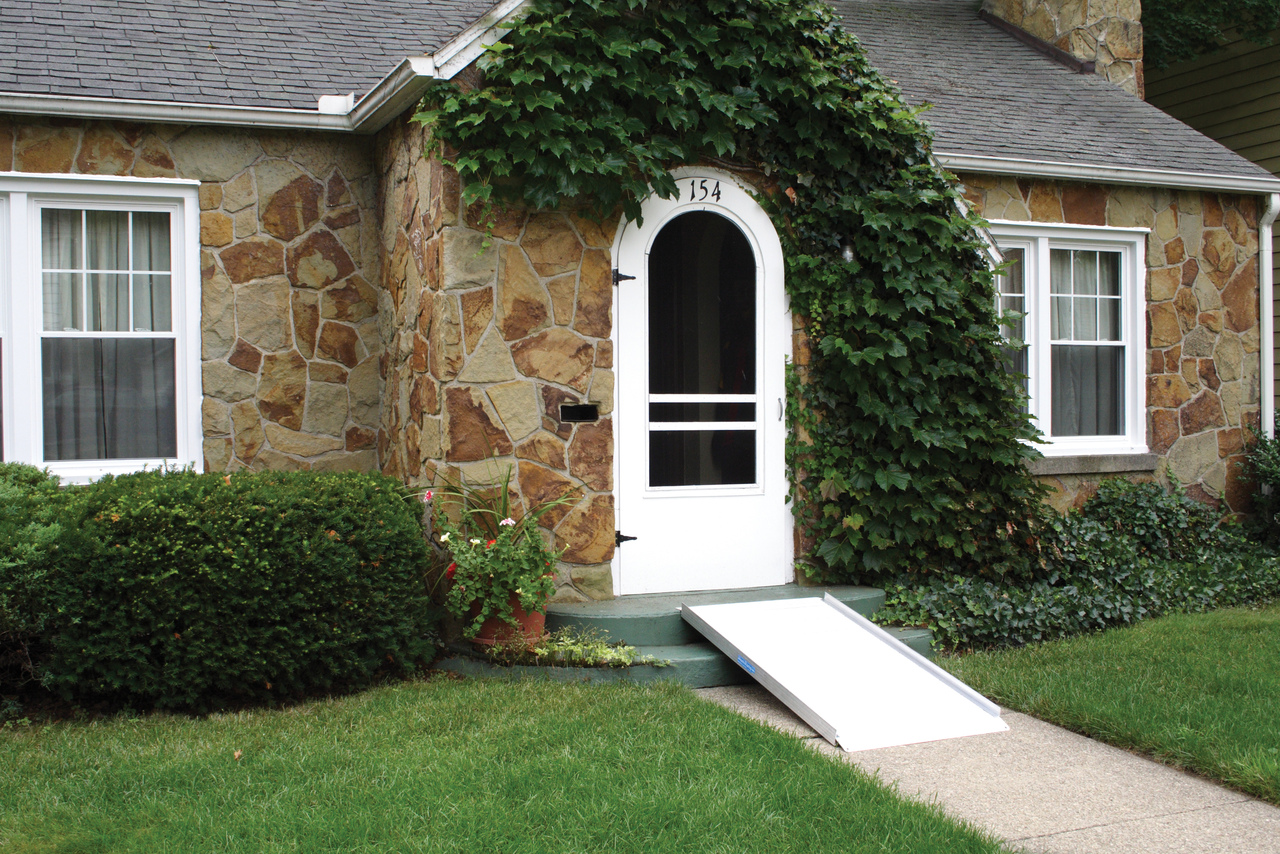
Installing a wheelchair ramp at home can seem like a daunting task, but it's really not that difficult. In this blog post, we will walk you through the steps of installing a wheelchair ramp safely and efficiently. We'll also provide you with some tips on choosing the right wheelchair ramp for your needs. So, whether you're looking to install a wheelchair ramp for yourself or a loved one, read on for helpful information!
Choose The Right Location
The first step in installing a wheelchair ramp is to choose the right location. You'll want to select a spot that is level and firm, with no potential for slippery surfaces or tripping hazards. You also need to think about the angle of the ramp. If possible, you'll want to choose a location that will allow you to install the ramp at a shallower angle. This will make it easier for users to navigate and will reduce the risk of injuries.
Choose Your Ramp Type
Now that you've found the perfect location, it's time to measure and choose your ramp. Build My Wheelchair offers customizable options on all types of home wheelchair ramps including single-fold ramps, multi-fold portable ramps, solid aluminum ramps, and threshold ramps.
- Single Fold Ramps — These lightweight wheelchair ramps fold in half for easy transport and storage. They are available in lengths from two to 16 feet and can support up to 800 pounds.
- Multi-Fold Portable Ramps — These ramps also fold for easy transport but typically into smaller sizes. They are available in lengths from three to 18 feet and can support up to 600 pounds.
- Solid Aluminum Ramps — These ramps are made of a single piece of aluminum and can be installed permanently or semi-permanently. They are available in lengths from two to 20 feet and can support up to 850 pounds.
- Threshold Ramps — These small ramps are designed for doorways, raised landings, and single steps. They are available in lengths from two to 36 inches and can support up to 600 pounds.
Measure The Area
Once you've selected the right ramp for your needs, it's time to measure the area where you'll be installing it. You'll need to take into account the length and width of the ramp, as well as the height of the top step or landing. In addition, you'll want to make sure there is enough clearance for the ramp to deploy properly. Most importantly, you'll need to ensure that the ramp is long enough to accommodate the wheelchair or scooter being used. The ADA recommends a slope of 1:12 (1 inch of vertical rise to 12 inches of ramp length.)
Installing Your Ramp
Now that you've measured the area and chosen the right ramp, it's time to install it! If you're installing a permanent or semi-permanent ramp, you'll need to follow the instructions that come with the ramp. This will usually involve attaching the ramp to your home with screws or bolts. If you're installing a portable ramp, you'll simply need to unfold it and place it in the desired location. Make sure that the ramp is level and secure before allowing anyone to use it.
Using Your Ramp Safely
Now that your ramp is installed, it's time to start using it! Here are a few safety tips to keep in mind:
- Always supervise children when they are using the ramp.
- When not in use (portable ramps only), store the ramp in a safe place where it cannot be damaged or tampered with.
- Inspect the ramp regularly for loose bolts, cracks, or other damage.
- If you notice any damage, do not use the ramp until it has been repaired.
Need More Info? Build My Wheelchair Can Help
By following these simple tips, you can ensure that your wheelchair ramp is safe and reliable and make your home more accessible for yourself or a loved one.
If you have any questions about choosing or installing a wheelchair ramp, please contact us! We would be happy to help you find the perfect solution for your needs. Or set up a free virtual ATP consultation to help you find the right fit.