Private Pay Power Wheelchairs: Empowering Your Mobility Decisions
Posted by Build My Wheelchair on Feb 26th 2026
Think insurance is the only way to get a power wheelchair? That's not true. You can buy power wheelchair without insurance and take control of your mobility on your own terms. Before you pay cash for power wheelchair, there are key facts you should know to make the best private pay power wheelchair choice. Let's break down what matters most.
Understanding Private Pay Power Wheelchair Options
Why Consider Buying Without Insurance
When you choose to buy a power wheelchair without insurance, you gain several advantages. First, you bypass the often lengthy approval process that insurance companies require. You also avoid the restrictions on features and models that insurance might impose. With private pay, you select exactly what meets your needs.
Cost Considerations
Power wheelchairs can range from $1,500 to $30,000 depending on the features, quality, and customization options. When you pay cash for a power wheelchair, ask about:
-
Payment plans
-
Possible discounts for direct payment
-
Warranty coverage
-
Maintenance packages
Selecting the Right Private Pay Power Wheelchair
Assess Your Mobility Needs
Before purchasing, consider:
-
Where will you use the wheelchair most? (Indoors, outdoors, or both)
-
What surfaces will you travel over? (Carpet, hardwood, gravel, grass)
-
How long will you use the chair daily?
-
Do you need special features like tilt, recline, or elevation?
-
Will an Assistive Technology Professional be involved?
An Assistive Technology Professional (ATP) evaluates for a wheelchair
By conducting a comprehensive, in-person assessment of the user's physical capabilities, medical needs, and environment to recommend the appropriate equipment. They work alongside clinicians to select, measure, and fit manual or power wheelchairs, ensuring comfort and safety.
Key Aspects of an ATP Wheelchair Evaluation:
-
Assessment of Needs: The ATP analyzes the user's mobility, posture, strength, and cognitive abilities to determine the necessary wheelchair type.
-
Physical Measurements: They take precise measurements for proper fitting, including seat width, depth, back height, and leg rest angle.
-
Environmental Assessment: They may visit the home to check for accessibility issues like door widths, ramps, and flooring to ensure the wheelchair fits the home environment.
-
Ongoing Support: They provide training on the use of the device and assist with future adjustments or maintenance.
-
Essential Features to Consider
When you buy a power wheelchair without insurance, you have freedom to choose features that matter most:
-
Battery life and charging time
-
Weight capacity
-
Turning radius
-
Seat comfort and pressure relief
-
Control options (joystick, head control, sip-and-puff)
-
Transportability and folding options
-
Speed settings
The Purchase Process
Research and Testing
Before you pay cash for a power wheelchair:
-
Test multiple models
-
Read user reviews
-
Consult with a physical therapist if possible
-
Visit showrooms to try chairs in person
Questions to Ask Vendors
When exploring private pay power wheelchair options, ask:
-
What does the warranty cover?
-
Are repairs and parts readily available?
-
What training is provided for operation?
-
Is delivery and setup included?
Long-Term Considerations
Maintenance Requirements
Power wheelchairs need regular maintenance to function properly. Budget for:
-
Battery replacement (every 1-2 years)
-
Tire replacement
-
Motor servicing
-
Control system updates
Resale Value
Quality power wheelchairs often maintain some resale value. If you pay cash for a power wheelchair, keep all documentation, maintenance records, and original parts to maximize potential resale value.
Financial Resources
Alternative Funding Sources
Even without insurance, you may have options:
-
Medical financing companies
-
Credit unions with medical loans
-
Crowdfunding platforms
-
Grants from disability organizations
-
Tax deductions for medical expenses
Making Your Decision
When you decide to buy a power wheelchair without insurance, you take control of your mobility solution. The private pay route offers freedom of choice, faster acquisition, and often access to better features than insurance-approved models.
Take time to evaluate your specific needs, test different options, and understand the total cost of ownership. With the right information, purchasing a power wheelchair privately can be an empowering decision that enhances your independence and quality of life.
Remember that investing in your mobility is investing in your independence and daily comfort. A private pay power wheelchair that perfectly suits your needs can make a significant positive impact on your everyday life.
Understanding Private Pay Options
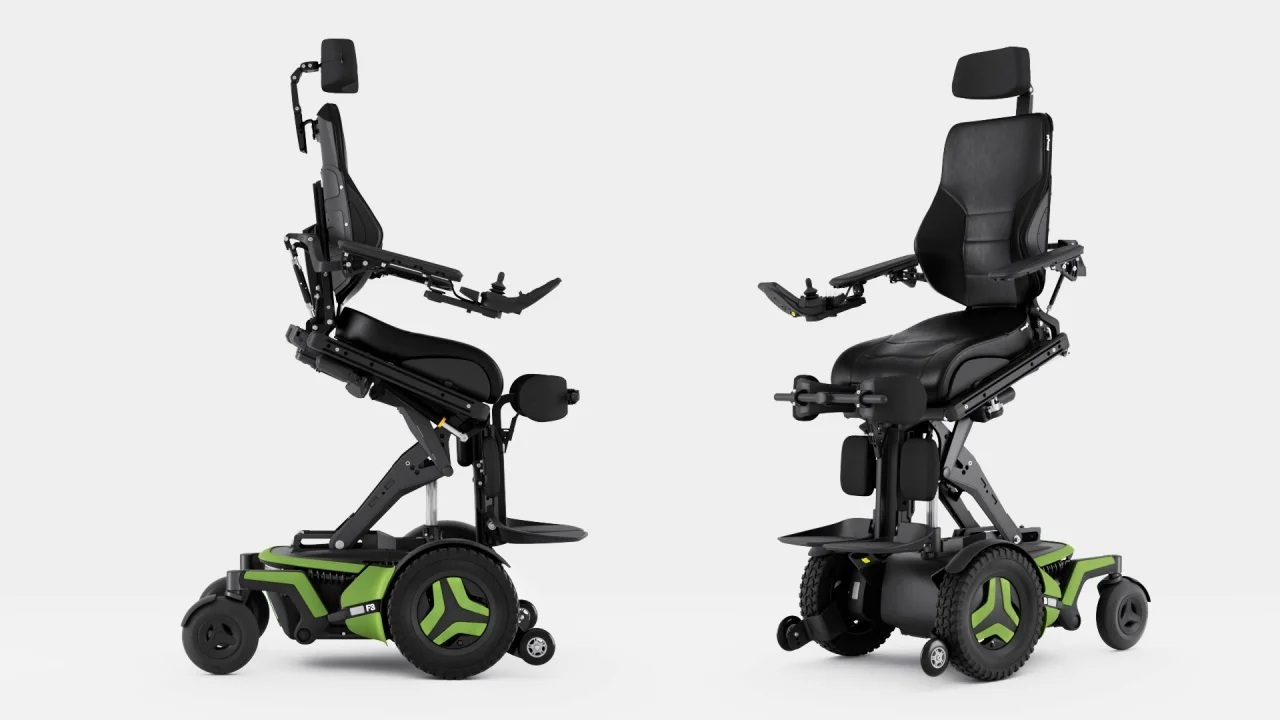
Private pay opens doors to mobility solutions that may not be available through insurance. When you choose this path, you gain control over your equipment selection, timing, and features.
Buy Power Wheelchair Without Insurance
Buying a power wheelchair without insurance puts you in the driver's seat. Insurance companies often limit your choices to basic models that meet minimum requirements. When you pay out-of-pocket, you can select from a wider range of options.
Many people don't realize that insurance approvals can take months. During this waiting period, your mobility needs go unmet. With private pay, you can get your power wheelchair in days rather than months.
The process is straightforward too. You work directly with mobility specialists who focus on your specific needs rather than insurance codes. This means you get exactly what works for your life, not what an insurance company decides is "medically necessary."
The freedom to choose means you can pick a chair with the right weight capacity, battery life, and turning radius for your specific living situation.
Benefits of Paying Cash
When you pay cash for a power wheelchair, you bypass the paperwork jungle. No doctor's prescriptions, medical necessity forms, or insurance pre-authorizations stand between you and your mobility.
Cash payment often leads to better pricing too. Many dealers offer discounts of 10-15% when you pay upfront. This can save you hundreds or even thousands of dollars on high-end models.
You also avoid the frustration of partial coverage. Insurance might pay for the base chair but deny important add-ons like specialized cushions or positioning systems that make the difference between comfort and pain.
Private pay power wheelchair purchases give you ownership from day one. There's no risk of insurance companies demanding return of equipment if your medical status changes, which happens with some insurance-provided chairs.
Financial Planning for Power Wheelchairs
Creating a budget for your power wheelchair purchase helps make this investment manageable. Start by researching price ranges for the type of chair that meets your needs—basic models start around $1,500, while complex rehab chairs can cost $20,000 or more.
Don't forget to factor in accessories and maintenance. Batteries need replacement every 1-2 years at $300-600 per set. Annual service checks cost $100-200 and extend the life of your chair.
Many dealers offer financing options with monthly payments spread over 2-5 years. Some plans feature 0% interest for qualified buyers, making premium models more accessible. Credit scores above 650 typically secure the best rates.
For tax planning, save your receipts. Power wheelchairs often qualify as tax-deductible medical expenses, potentially reducing your overall cost by 20-30% depending on your tax bracket.
Choosing the Right Wheelchair
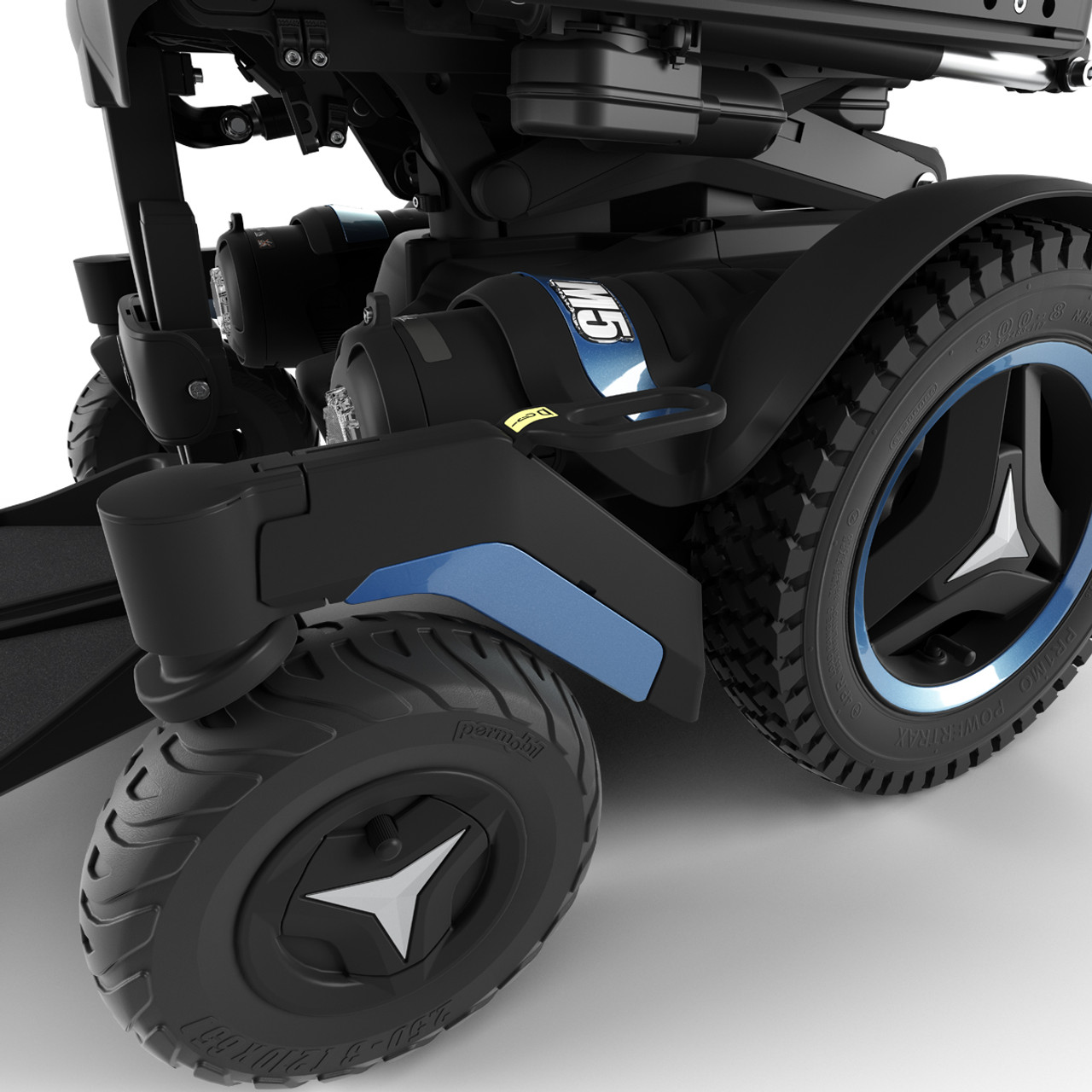
Finding your perfect match in a power wheelchair combines technical specifications with personal preferences. Your daily environment, physical needs, and lifestyle all play crucial roles in this decision.
Key Features to Consider
Battery life tops the list of critical features when selecting a private pay power wheelchair. Standard batteries provide 10-15 miles per charge, while premium options extend to 20+ miles. Match this to your daily travel distance to avoid getting stranded.
Chair width matters more than most buyers realize. A chair that's too wide might not fit through your home doorways (standard doors are 32-36 inches wide). Measure your narrowest passage and subtract 2-3 inches for safe clearance.
Control systems range from basic joysticks to sophisticated touch screens and breath-controlled options. Test several types to find what works best for your dexterity and strength levels.
Weight capacity directly affects durability and performance. Standard chairs support 250-300 pounds, but specialized models can handle up to 600 pounds. Be honest about your needs—a chair operating near its weight limit wears out faster.
Don't overlook turning radius—the space needed to rotate 180 degrees. Compact chairs need as little as 20 inches, while larger models require 35+ inches. Measure your tightest spaces at home before choosing.
Comparing Models and Prices
Mid-range power wheelchairs ($3,000-$7,000) offer the best value for most users. These models balance durability, comfort, and features without the premium price of high-end chairs.
Basic models ($1,500-$3,000) work well for occasional use or as backup chairs. They typically have simpler controls, shorter battery life, and fewer adjustment options.
Premium models ($7,000-$30,000) include advanced features like power tilt, recline, and elevation systems. These functions help manage pressure, reach different heights, and change positions throughout the day.
When comparing chairs, create a checklist of must-have features versus nice-to-have options. This helps clarify which models deliver what you truly need within your budget.
Remember that price often reflects durability. Chairs with steel frames cost more than aluminum but last years longer. Similarly, sealed electronics resist moisture damage better than basic systems, reducing repair costs over time.
Expert Tips for First-Time Buyers
Test drive before you buy—this rule can save you thousands in regrets. Spend at least 30 minutes in each chair you're considering. Move through tight spaces, over thresholds, and across different floor surfaces to simulate your daily use.
Focus on seat comfort during testing. Your body will tell you what works better than any sales pitch. Pay attention to pressure points that develop after sitting for 20+ minutes.
Ask about the chair's expected lifespan. Quality power wheelchairs should last 5-7 years with proper maintenance. Lower-quality models might need replacement in 2-3 years, making them more expensive in the long run.
Consider growth room if you have a progressive condition. Chairs with adjustable width, depth, and back height accommodate changes in your body over time, extending the useful life of your investment.
Don't skip the consultation with an Assistive Technology Professional (ATP). These specialists help match your physical needs to specific chair features, often finding solutions you wouldn't discover on your own.
Navigating the Purchase Process
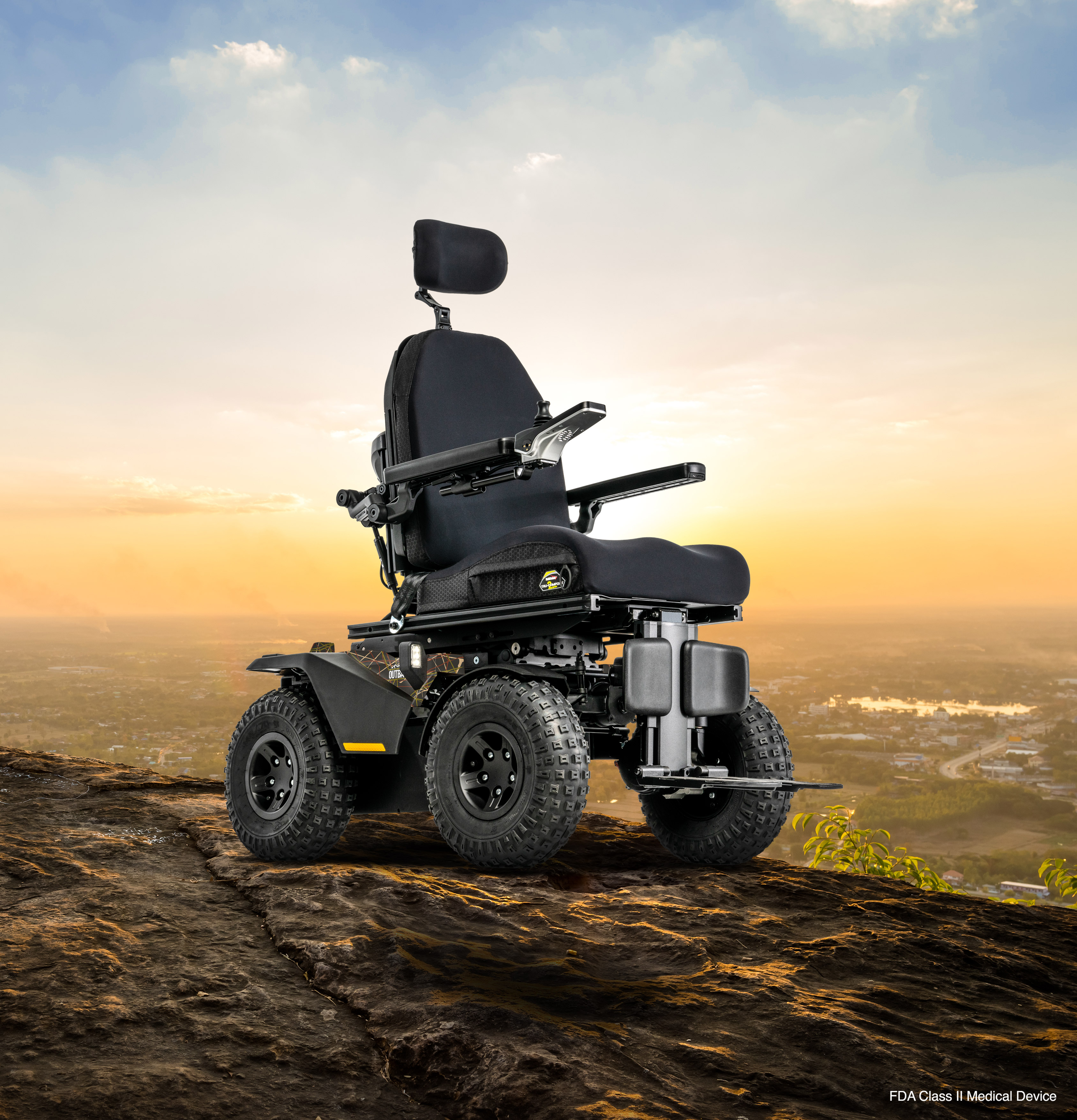
The journey from decision to delivery involves several steps. Understanding this process helps you avoid delays and ensure you get exactly what you need.
Where to Buy Without Insurance
Medical equipment suppliers offer the most options for private pay power wheelchair purchases. These specialized dealers provide expert guidance, customization services, and after-sale support that general retailers can't match.
Online retailers have expanded power wheelchair offerings in recent years. While prices may seem lower, be cautious about buying sight unseen. Many online chairs arrive needing professional assembly and adjustment, adding to your total cost.
Manufacturer direct sales cut out the middleman for some brands. Companies like Permobil and Quantum sometimes sell directly to consumers, offering factory-direct pricing and customization.
Used equipment dealers can save you 30-50% compared to new chairs. Look for dealers who specialize in refurbished medical equipment, as they typically inspect, clean, and replace worn components before resale.
Local mobility shops deserve special consideration. They offer test drives, face-to-face service, and quick repairs when needed. The relationship you build with a local dealer often proves valuable throughout your chair's lifespan.
Supportive Resources and Services
Delivery and setup services make a huge difference in your experience. Professional setup ensures your chair works properly from day one. Ask if these services are included or require additional fees.
Training sessions help you master your new chair's features. Good dealers offer free training on controls, battery charging, basic maintenance, and troubleshooting. This knowledge prevents common problems and extends your chair's life.
Service contracts provide peace of mind for major purchases. For $200-500 annually, these plans cover parts and labor for repairs beyond the standard warranty. They're worth considering for complex chairs with electronic systems.
Loaner programs become crucial when your chair needs repairs. Ask potential dealers if they provide temporary replacement chairs during service periods to maintain your mobility.
Many communities have disability resource centers that offer advice on equipment selection. These non-profit organizations provide unbiased information about different brands and models based on feedback from actual users.
Making Empowered Mobility Decisions
Your power wheelchair represents freedom and independence. Take time to clarify what matters most in your daily life. Will you use it primarily indoors or outdoors? Do you need to transport it frequently? What activities must it accommodate?
Keep future needs in mind during selection. Most people use their power wheelchairs for 5+ years. Consider how your condition might change during this time and choose features that accommodate potential changes.
Don't rush your decision based on sales pressure. Reputable dealers understand the importance of this purchase and give you space to consider options. Be wary of anyone pushing for immediate decisions or using high-pressure tactics.
Ask existing users about their experiences. Online forums and social media groups for specific conditions often share candid feedback about different power wheelchair models and dealers.
Remember that this purchase is about your quality of life. The right power wheelchair becomes an extension of yourself, enabling activities and independence that might otherwise be limited. This perspective helps justify the investment in higher-quality equipment that truly meets your needs.