
Take Control of Your Sitting Situation: How to Select the Perfect Comfort and Pressure Relief Cushion for Your Needs, Foam versus Gel
Posted by Build My Wheelchair on Sep 25th 2025
Selecting the right pressure relief cushion is crucial for enhancing mobility and ensuring comfort for individuals who spend significant time seated. As a trusted advisor in mobility support, we understand the importance of finding a cushion that meets your unique needs. From gel seat cushions that offer superior pressure relief and even weight distribution to foam seat cushions known for their robust support and varied density options, the choice can significantly impact your seating comfort. This guide will help you navigate the cushion comparison, weighing the benefits and potential drawbacks of the gel and foam cushions. Whether you're a healthcare professional, caregiver, or someone with mobility needs, let us empower your choice with insights that promote well-being and enhance your daily life.
Understanding Pressure Relief Cushions
Pressure relief cushions are essential for individuals who spend extended periods seated. They come in various types, with gel/foam combinations or full multi layered foam cushions being some of the most popular options. Let's explore the key features of each to help you make an informed decision.
Key Features of Gel Seat Cushions
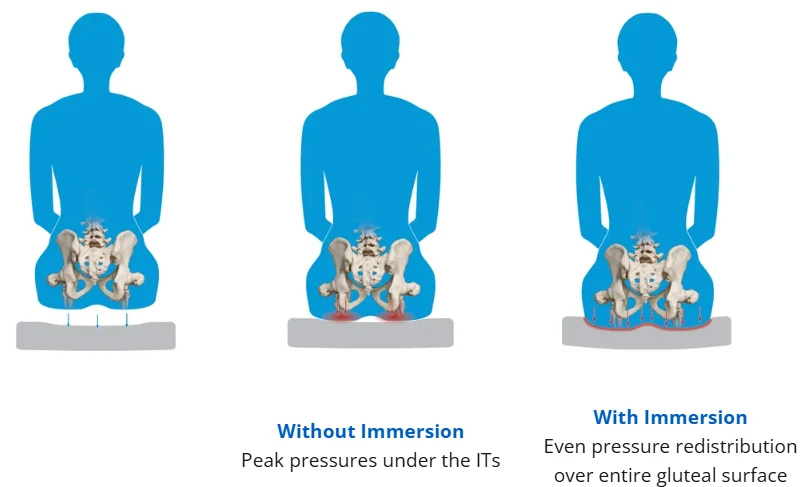
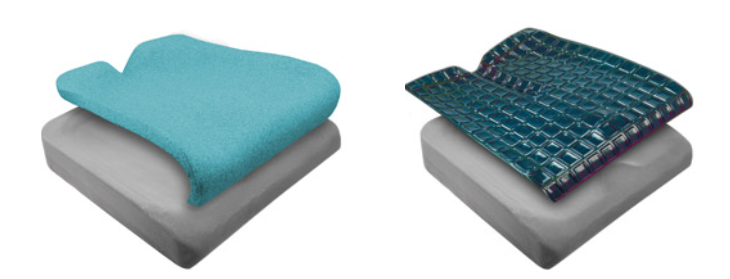
Gel seat cushions, like the Jay Fusion gel seat cushion, offer superior pressure distribution and comfort. These cushions use a fluid-like gel that conforms to the body's shape, providing excellent support.
The gel material helps reduce pressure points, which is crucial for preventing skin breakdown and improving circulation. This is especially beneficial for individuals at risk of developing pressure sores.

One of the main advantages of gel cushions is their ability to maintain a consistent temperature. They don't retain heat like some foam options, making them more comfortable for extended use.
Advantages of Foam Seat Cushions
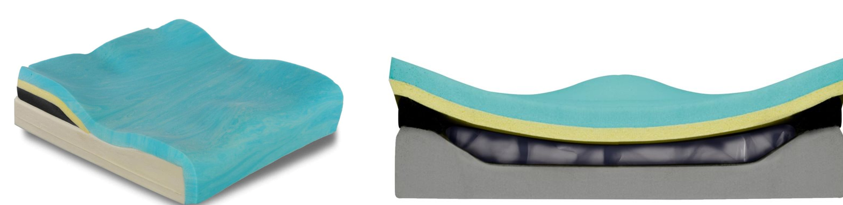
Foam seat cushions, such as the Jay Ion seat cushion, offer robust support and come in various densities to cater to different needs. These cushions are known for their durability and cost-effectiveness.
Memory foam cushions, a popular subset, mold to the user's body shape, providing personalized support. This can help alleviate pressure points and improve overall comfort.
Foam cushions are generally lighter than gel options, making them easier to transport. They also tend to be more affordable, which can be a crucial factor for many users.
Choosing the Right Cushion Type
Selecting between gel and foam cushions depends on various factors, including individual needs, lifestyle, and health considerations. Let's explore how to evaluate these aspects to make the best choice.
Evaluating Lifestyle and Comfort Needs
When choosing a pressure relief cushion, consider your daily activities and comfort requirements. Think about how long you typically sit and what kind of support you need.
For those who spend extended periods seated, a gel cushion like the Comfort Company M2 cushion might be ideal due to its superior pressure distribution and temperature regulation.
If you're more active and need a lightweight option, a foam cushion could be a better fit. Consider factors such as transfer frequency, cushion portability, and your specific comfort preferences.
Comparing Cushion Durability and Support
Durability and support are crucial factors in cushion selection. Let's compare gel and foam options:
|
Feature |
Gel Cushions |
Foam Cushions |
|---|---|---|
|
Durability |
High (with proper care) |
Varies (depends on density) |
|
Support |
Excellent pressure distribution |
Good overall support |
|
Weight |
Heavier |
Lighter |
|
Temperature Regulation |
Better |
Can retain heat |
|
Cost |
Generally higher |
More affordable options |
Consider your long-term needs when making a decision. While foam cushions might need replacement more frequently, they often come at a lower initial cost.
Tips for Optimal Seating Comfort
To maximize the benefits of your pressure relief cushion, consider these tips:
-
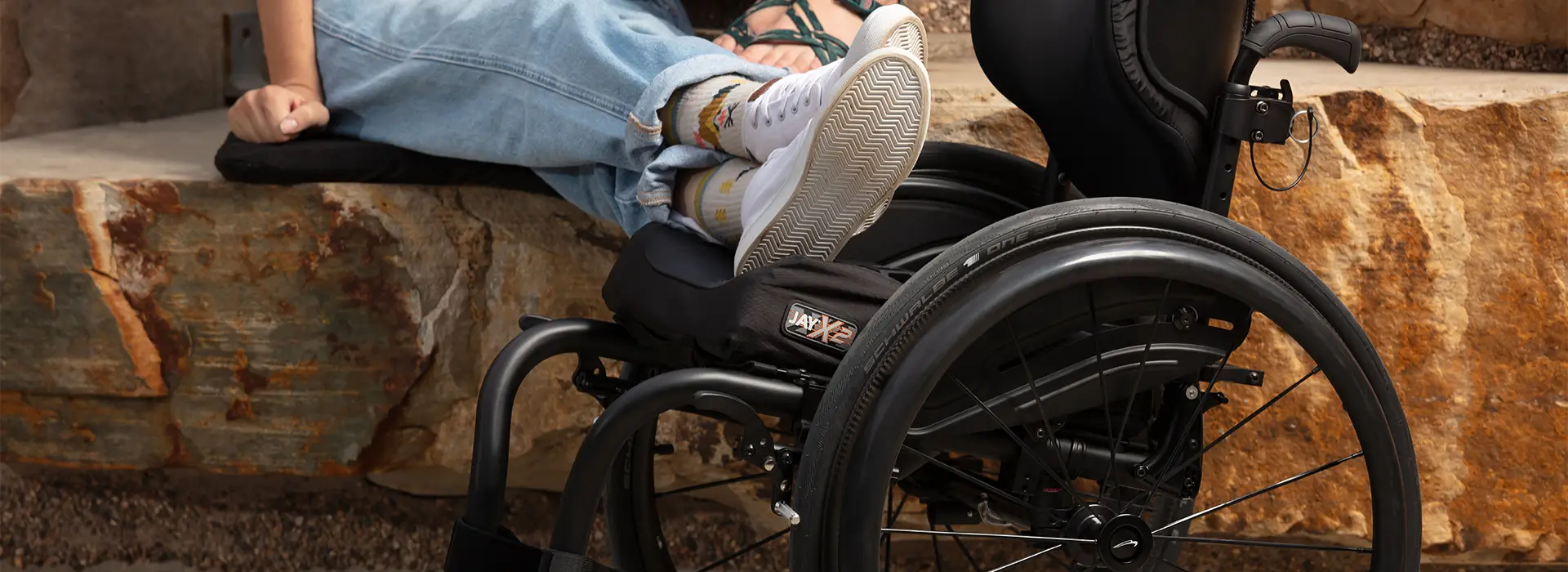
Ensure proper positioning on the cushion to distribute weight evenly.
-
Regularly inspect and maintain your cushion according to manufacturer guidelines.
-
Use a cushion cover for protection and easier cleaning.
Remember to adjust your seating position periodically to promote blood flow and reduce pressure points.
"This cushion helps maintain the freedom to be oneself." -JC
Long-term Benefits of Proper Cushion Selection
Choosing the right pressure relief cushion can have significant long-term benefits for your health and quality of life. These include:
-
Reduced risk of pressure sores and skin breakdown
-
Improved posture and spinal alignment
-
Enhanced comfort and reduced fatigue during extended sitting periods
By investing time in selecting the appropriate cushion, you're not just improving your immediate comfort - you're also supporting your long-term health and mobility.
Remember, the best cushion for you is one that meets your specific needs and enhances your daily life. Don't hesitate to consult with our mobility specialists to find the perfect fit.