
The Power of Wheelchair Gel Batteries: A Guide to Longer-Lasting Mobility Solutions
Posted by Build My Wheelchair on Jun 10th 2025
The Power of Wheelchair Gel Batteries: A Guide to Longer-Lasting Mobility Solutions
For individuals relying on electric wheelchairs, the choice of battery can significantly impact their daily mobility and independence. Wheelchair gel batteries stand out as a revolutionary solution, offering a hassle-free, maintenance-free experience while ensuring safety with their leak-resistant design. These batteries not only provide a reliable source of electric wheelchair power but also boast an impressive lifespan, reducing the frequency of replacements and ultimately enhancing user convenience. In this guide, we will delve into the numerous gel battery benefits, offering insights into how these advanced mobility solutions can empower users, caregivers, and healthcare professionals alike. Join us as we explore the transformative potential of wheelchair gel batteries in delivering a seamless, long-lasting mobility experience.
Understanding Wheelchair Gel Batteries
Wheelchair gel batteries are a cornerstone of modern mobility solutions, offering users a reliable and efficient power source. This section explores the key features and advantages of gel batteries, comparing them to traditional options and highlighting their impact on electric wheelchair performance.
Gel Battery Benefits Explained
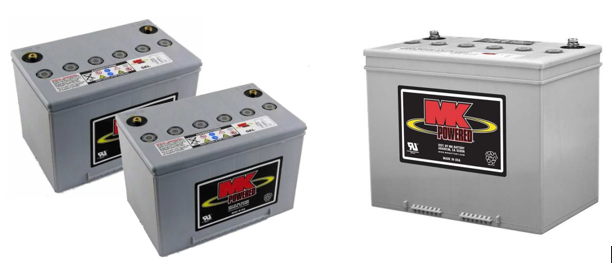
Gel batteries offer numerous advantages for wheelchair users, making them a popular choice in the mobility industry. These batteries use a gel electrolyte, which provides enhanced stability and safety compared to traditional liquid electrolyte batteries.
One of the primary benefits of gel batteries is their maintenance-free nature. Unlike flooded lead-acid batteries, gel batteries don't require regular water top-ups, saving time and effort for users and caregivers.
Gel batteries also boast excellent deep cycle capabilities, allowing for consistent power output throughout their discharge cycle. This feature ensures reliable performance, even during extended use periods. Additionally, gel batteries are highly resistant to vibration and shock, making them ideal for the dynamic environment of a wheelchair.
Comparing to Traditional Batteries
When comparing gel batteries to traditional lead-acid batteries, several key differences become apparent. These distinctions play a crucial role in determining the best power source for electric wheelchairs.
Gel batteries offer superior safety features compared to their traditional counterparts. The gel electrolyte significantly reduces the risk of spills or leaks, making them safer for both users and the environment.
In terms of lifespan, gel batteries typically outlast traditional batteries. While the initial cost may be higher, the longer service life often results in better long-term value. Here's a comparison of key features:
|
Feature |
Gel Batteries |
Traditional Batteries |
|---|---|---|
|
Maintenance |
Low |
High |
|
Spill Risk |
Minimal |
Moderate to High |
|
Lifespan |
Longer |
Shorter |
|
Initial Cost |
Higher |
Lower |
|
Deep Cycle Performance |
Excellent |
Good |
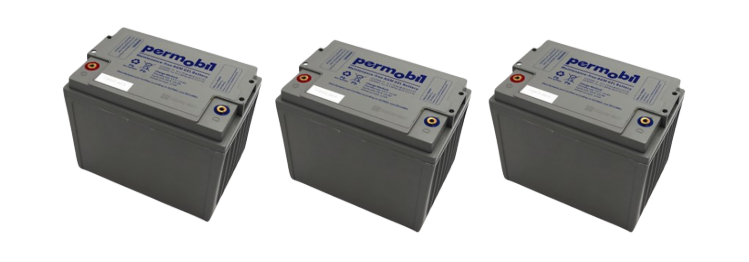
Gel batteries like the Permobil Group 34 battery also perform better in extreme temperatures, making them more versatile for various environments and climates.
Electric Wheelchair Power Reliability
The reliability of electric wheelchair power is paramount for users' independence and safety. Gel batteries excel in this aspect, providing consistent and dependable performance.
Gel batteries maintain a stable voltage output throughout their discharge cycle, ensuring smooth operation of the wheelchair. This consistency is crucial for users who rely on their mobility devices for extended periods.
Moreover, gel batteries have a lower self-discharge rate compared to traditional batteries. This means they retain their charge better when not in use, providing peace of mind for users who may not use their wheelchairs daily.
The durability of gel batteries also contributes to their reliability. Their resistance to vibration and shock ensures they can withstand the rigors of daily use without compromising performance.
Maximizing Battery Lifespan
Proper care and maintenance are essential for maximizing the lifespan of wheelchair gel batteries. This section provides valuable tips on how to care for your batteries, recognize signs of wear, and implement techniques to extend their life.
Proper Care and Maintenance Tips
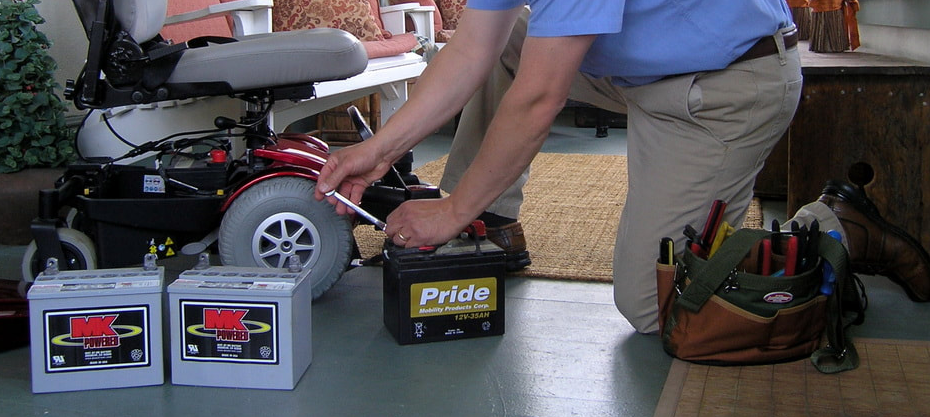
Maintaining wheelchair gel batteries is crucial for ensuring their longevity and optimal performance. While these batteries are generally low-maintenance, following best practices can significantly extend their lifespan.
-
Regular Charging: Charge your batteries after each use, even if they're not fully depleted. This helps prevent deep discharges that can shorten battery life.
-
Avoid Overcharging: Use a smart charger that automatically stops charging when the battery is full. Overcharging can lead to premature battery failure.
-
Keep Batteries Clean: Regularly wipe down the battery case with a damp cloth to remove dust and debris. Ensure the terminals are clean and free from corrosion.
Always store batteries in a cool, dry place when not in use. Extreme temperatures can negatively impact battery performance and lifespan.
MK 24V 8AH AGM/Gel Battery Charger
Recognizing Signs of Wear
Being able to identify signs of battery wear is crucial for maintaining the reliability of your electric wheelchair. Early detection of issues can prevent unexpected power failures and extend the overall life of your battery.
One of the primary indicators of battery wear is a noticeable decrease in operating time between charges. If you find yourself needing to charge more frequently, it may be time to consider a replacement.
Physical signs of wear include:
-
Bulging or swelling of the battery case
-
Cracks or leaks in the battery
-
Corrosion on the terminals
Pay attention to any unusual odors coming from the battery, as this could indicate internal damage. If you notice any of these signs, it's advisable to have your battery checked by a professional.
Extending Battery Life Techniques
Implementing specific techniques can significantly extend the life of your wheelchair gel batteries, ensuring you get the most value from your investment.
One effective method is to avoid partial discharges. While gel batteries don't suffer from memory effect, fully discharging and recharging can help maintain battery capacity over time.
Proper storage is crucial when the wheelchair isn't in use for extended periods:
-
Keep the battery at about 50% charge
-
Store in a cool, dry place
-
Charge the battery at least once a month during storage periods
Avoid exposing the battery to extreme temperatures, as both high heat and freezing conditions can degrade battery performance and lifespan.
Regular battery maintenance, such as checking connections and keeping terminals clean, can also contribute to longer battery life. By following these techniques, you can maximize the lifespan of your wheelchair gel batteries.
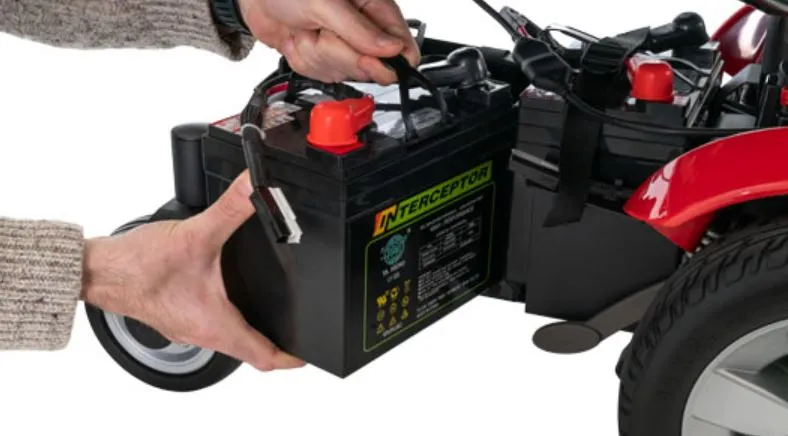
Evaluating Your Power Needs
Assessing your specific power requirements is the first step in choosing the right wheelchair battery. This evaluation ensures that you select a battery that meets your daily mobility needs without unnecessary excess.
Consider the following factors when evaluating your power needs:
-
Daily usage time
-
Typical distance traveled
-
Terrain (flat surfaces vs. inclines)
-
User weight
-
Additional power-consuming accessories
It's helpful to keep a log of your wheelchair usage for a week or two. This data can provide valuable insights into your actual power consumption patterns.
Remember that your needs may change over time, so it's wise to choose a battery that can accommodate potential future increases in usage. Consulting with a mobility specialist can help you accurately assess your power requirements.
Selecting the Best Battery Type
Choosing the right type of battery is crucial for ensuring optimal performance and longevity of your electric wheelchair. While gel batteries are often an excellent choice, it's important to understand the options available.
Gel batteries, like the MK M22NF Sealed Gel Battery, offer a balance of performance, safety, and longevity. They're ideal for users who require reliable power and minimal maintenance.
AGM (Absorbent Glass Mat) batteries are another option, similar to gel batteries in many aspects. They offer quick charging and high discharge rates, making them suitable for power-hungry applications.
Consider these factors when selecting your battery type:
-
Maintenance requirements
-
Discharge rate
-
Charging speed
-
Environmental conditions
-
Budget
Ultimately, the best battery type depends on your specific needs and usage patterns. Consult with a mobility specialist to make an informed decision.

Investing in Long-Term Mobility
Investing in the right wheelchair battery is an investment in your long-term mobility and independence. While it may be tempting to opt for less expensive options, choosing a high-quality battery often proves more cost-effective in the long run.
Consider the total cost of ownership when making your decision. This includes:
-
Initial purchase price
-
Expected lifespan
-
Maintenance costs
-
Potential replacement frequency
High-quality gel batteries, while potentially more expensive upfront, often offer better value due to their longer lifespan and reduced maintenance needs.
"The bitterness of poor quality remains long after the sweetness of low price is forgotten." - Benjamin Franklin
This quote aptly applies to wheelchair batteries. Investing in a reliable, high-performance battery can provide peace of mind and consistent mobility for years to come.
Remember to factor in warranty and after-sales support when making your decision. A comprehensive warranty can protect your investment and ensure continued mobility even if issues arise.