
Unlocking Comfort: The Ultimate Guide to Wheelchair Cushion Covers and Their Benefits
Posted by Build My Wheelchair on Jan 19th 2026
Navigating the world of mobility aids can be overwhelming, but when it comes to enhancing comfort and health, the right wheelchair cushion cover is essential. Healthcare professionals, caregivers, and wheelchair users alike can benefit from understanding the various types of cushion covers available and their specific advantages. These covers not only provide essential pressure relief but also contribute to overall comfort and hygiene. From breathable fabrics for pressure relief cushions designed to prevent sores, each type of cover offers unique benefits that can significantly improve quality of life. Join us as we delve into the world of wheelchair cushion covers, exploring options that can empower users with optimal support and comfort.
Types of Cushion Covers
Wheelchair cushion covers come in a variety of materials and designs, each serving specific needs. ROHO cushion covers are known for their durability and air-flow properties, making them ideal for long-term use.
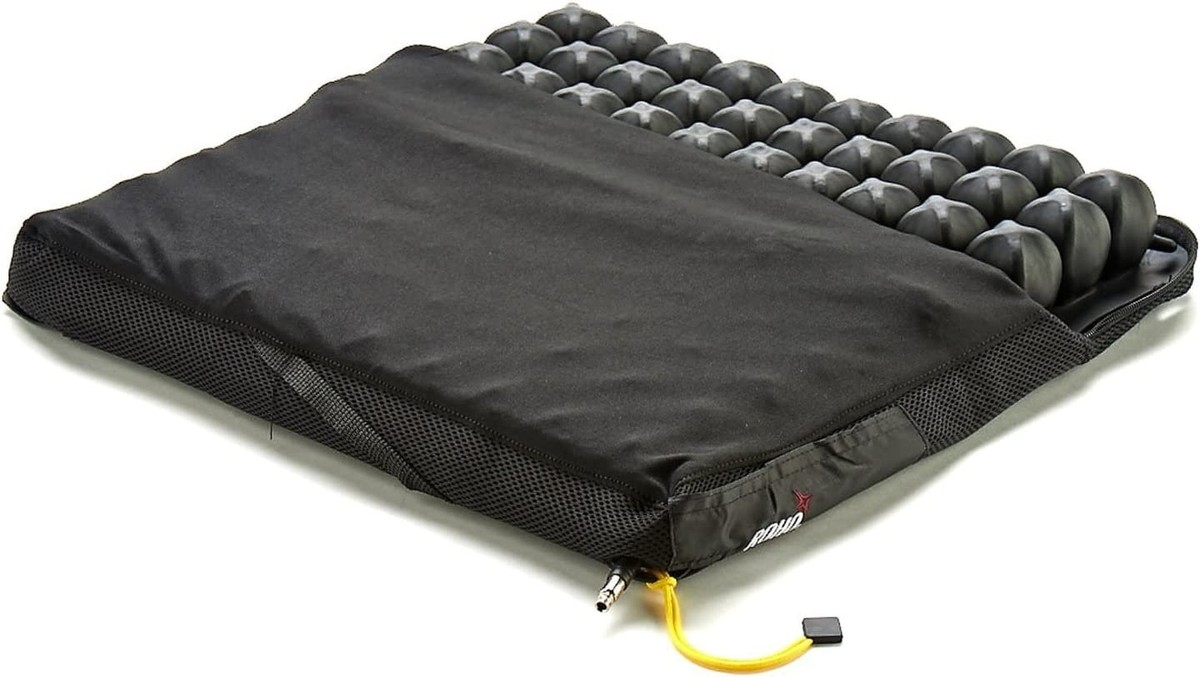
Stretch-Air fabric is designed for air transmission and heat dissipation. This breathable laminate combines a high-stretch lycra top layer and can also be paired with a inner waterproof cover, vapor barrier.
Waterproof covers provide an extra layer of protection against spills and incontinence. They are fluid-proof and can easily be cleaned with detergent. They're essential for maintaining hygiene and prolonging the life of the cushion.
Incontinence covers are specifically designed to offer robust protection against moisture, safeguarding both the cushion and the user.
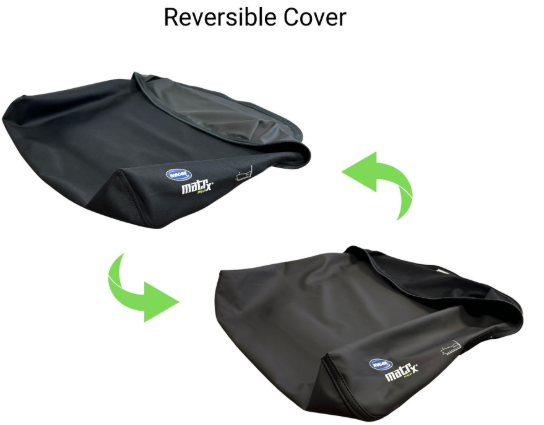
Incontinence Covers: Essential Protection for Wheelchair Cushions
For individuals with incontinence concerns, selecting the right wheelchair cushion cover can make a significant difference in comfort and hygiene. Incontinence liners are specifically designed to offer robust protection against moisture, safeguarding both the cushion and the user.
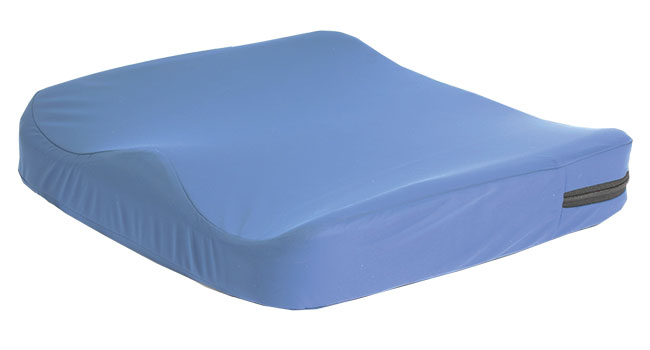
Key Features and Benefits
-
Waterproof Barrier: These covers are crafted from durable, fluid-proof materials, effectively blocking any liquid from penetrating the cushion. This is crucial in maintaining the longevity and cleanliness of the cushion.
-
Easy Maintenance: Most incontinence covers are machine washable and designed for quick cleaning, allowing caregivers and users to maintain hygiene effortlessly.
-
Comfortable Design: Despite their protective nature, these covers often feature a soft surface that does not sacrifice comfort, ensuring users remain at ease throughout the day.
-
Odor Control: Advanced materials in some covers help control odors, contributing to a fresher and more pleasant user experience.
Why Choose an Incontinence Cover?
These covers are more than just a protective layer; they are a practical solution for enhancing the quality of life for wheelchair users dealing with incontinence. By preventing moisture buildup, they help maintain skin health and cushion integrity.
Call to Action: Ready to upgrade your wheelchair cushion for added protection? Explore our range of high-quality incontinence covers and find the perfect fit for your needs. Feel free to consult our mobility experts for personalized recommendations that meet your specific requirements.
Invest in peace of mind and comfort with a reliable incontinence cover, ensuring that you or your loved one can navigate daily life with confidence and dignity.
Promoting Skin Health
One of the primary benefits of wheelchair cushions is their role in promoting skin health and preventing pressure sores. This is especially crucial for individuals with limited mobility.
High-quality cushion covers, like the Stealth Products cushion covers, are designed to reduce friction and shear forces on the skin. This reduction in skin stress helps prevent the formation of pressure ulcers.
Many cushions incorporate breathable materials that allow air circulation, reducing moisture buildup. This feature is essential in maintaining skin integrity and preventing skin breakdown.
For users with existing skin issues, specialized cushions with cooling gel or air-flow technologies can provide additional relief and support the healing process.
Considerations for Selection
When choosing a wheelchair cushion cover, several factors should be taken into account to ensure the best fit for the user's needs.
-
Material: Consider breathability, durability, and ease of cleaning.
-
Size and shape: Ensure the cover fits the cushion and wheelchair dimensions perfectly.
-
User's medical condition: Some conditions may require specific types of covers for optimal support.
-
Climate: Choose materials that suit the local weather conditions to maintain comfort.
It's also important to consider the user's lifestyle and daily activities. For active users, a more durable and easy-to-clean cover might be preferable, while those who spend long hours seated might prioritize pressure relief features.
Consulting with a healthcare professional or mobility specialist can provide valuable insights into selecting the most appropriate cushion cover for individual needs.
Maintenance and Care Tips
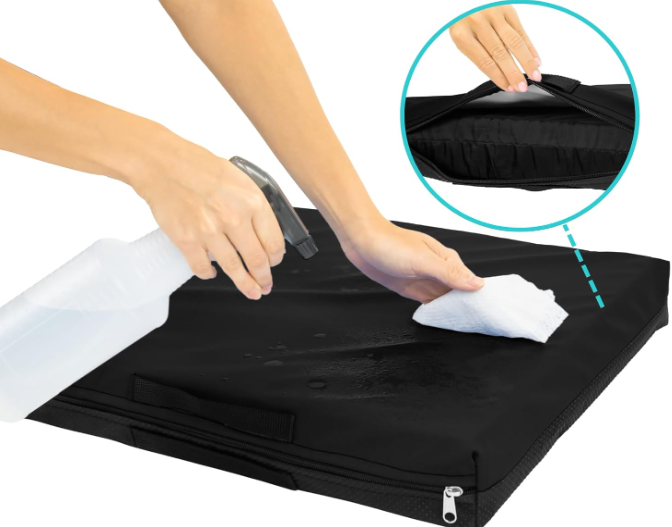
Proper maintenance of wheelchair cushion covers is essential for longevity and hygiene. Here are some key care tips:
-
Regular cleaning: Follow manufacturer instructions for washing and drying the cover.
-
Inspect frequently: Check for signs of wear, tear, or damage that might compromise functionality.
-
Rotate covers: If possible, use multiple covers and rotate them to extend their lifespan.
-
Address spills immediately: Quick action can prevent stains and maintain the cover's integrity.
For waterproof covers, ensure seams and zippers are intact to maintain their protective properties. Some covers may require special care, such as air-drying or using specific cleaning products.
Remember to also maintain the cushion itself, following guidelines for fluffing, airing out, or replacing as recommended by the manufacturer.
In conclusion, there are many options for fabrics and specific properties of materials which can clinically benefit an end user. Selecting an option that will promote skin and positioning health, fit with the client lifestyle and work in conjunction with the support surface and the mobility base will ensure the best overall outcomes.