-
Description

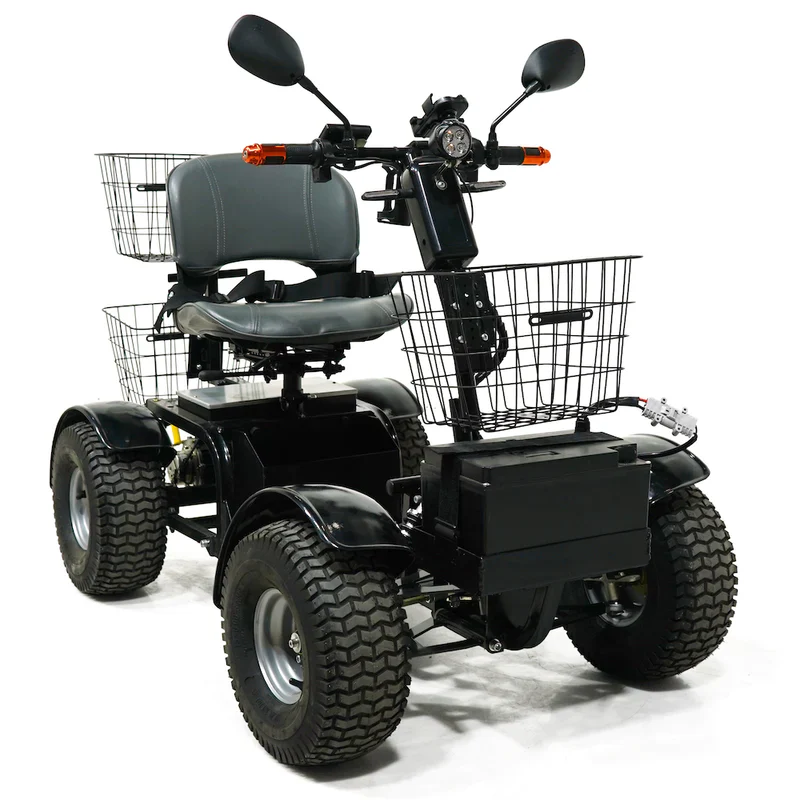
Cheeta Ninja All Terrain Scooter

Overview
- Body Size: 53 x 31 x 36 without rack and baskets
- Body Size: 63 x 31 x 36 with rack and rear basket
- Speed: up to 14 mph
- Controller: Soft start
- Max Incline: 35 degrees
- Motor: 48v 1100w
- Battery: 48V 30aH lithium
- Suspension: ATV-like Independent shocks
- Brake: Smart electronic
- Tires: 15x6" All Terrain
- Range: 25 miles
- Max Load: 500 lbs
- Swivel Seat
- All Terrain
- Turn Signals
- Side Mirrors
- Headlight and backlight
- Three Baskets

Description
MAX SPEED OF 16 MPH
If your looking for a scooter that will take you anywhere you want to go with a speed up to 16 mph and a travel distance of 25 miles on a single charge then the Cheeta Ninja is the all terrain scooter for you.
PERFECT FOR GRASS, SAND, DIRT OR ANY ROUGH TERRAINS
The Cheeta Ninja features top of the line off-road turf tires that can handle even the most difficult terrains. It has a maximum incline of 35 degrees and the tires are 6 inches wide and 15 inches in diameter. You can easily drive across grass, on the green, or across sand and dirt. Whether you want to get back on the golf course, spend an afternoon at the park or ride around your property, the Cheeta Ninja heavy duty mobility scooter is the perfect choice.
WEIGHING IN AT ONLY 200 POUNDS
The Green Transporter Cheeta Ninja is one of the best selling mobility scooters on the market. Weighing in at only 200 lbs. It’s much lighter than traditional golf carts! Not only that, but the Cheeta Ninja is also loaded with a multitude of safety features which include: a safety headlight, turning lights, a seatbelt and much more.
SHOCKS THAT CAN HANDLE 500 POUNDS
Equipped with a powerful 1100 watt 48 volt motor and full suspension, the Cheeta Ninja is truly unstoppable. Ride in paradise with this industry leading suspension system. The Cheeta Ninja features independent shocks, similar to an ATV, that offer superior performance on uneven ground. The shocks can handle up to 500 lbs, making this mobility scooter a durable choice. Along with all-terrain suspension, a smart electronic braking system ensures that you stop safely every time.
FREE ONE YEAR HOME SERVICE WARRANTY INCLUDED
If absolutely anything happens to your Green Transporter Cheeta Ninja rest assured your purchase is backed by a one year parts and labor warranty. We will personally call out a specialist to come to your home for any repairs you may need.
CHEETA NINJA SINGLE SEAT SPECIFICATIONS
Body Size (without rack and baskets) 53 x 31 x 36 Body Size (with rack and baskets) 63 x 31 x 36 Speed up to 14 mph Controller Soft start Max Incline 35 degrees Motor 48v 1100w Charger 48V/ 5A Total Time to Recharge Battery 2-4 hrs Battery 48V 18aH lithium, 25 mile range Battery Dimensions 12 x 8 x 8 inches Battery Weight 17 lbs Suspension ATV-like Independent shocks Brake Smart electronic Tires Turf Tires 8" diameter 6" wide Range 25 miles Max Load 500 lbs Total Weight 200 lbs (230 lbs w/ canopy) Swivel Seat Yes All Terrain Yes Turn Signals Yes Side Mirrors Yes Headlight and backlight Yes Storage Three baskets included CHEETA NINJA DOUBLE SEAT SPECIFICATIONS
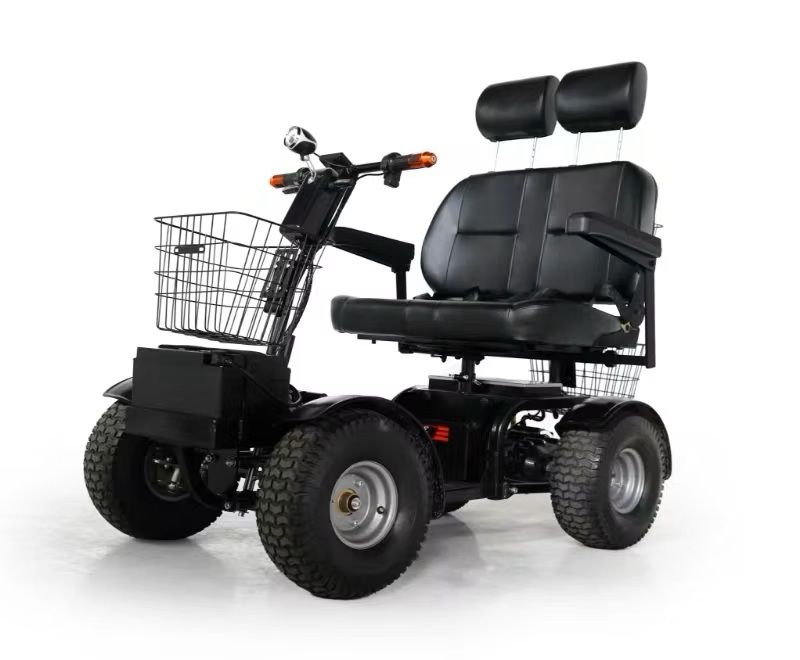
Size 30x16” Seat Height from Ground 23 ½” (adjustable higher) Seat Height from Floorboard 17” (adjustable higher) Distance from Back of Seat to Tiller 27” Total Width with Double Seat 35” Armrests Flip up Swivel Seat Yes -
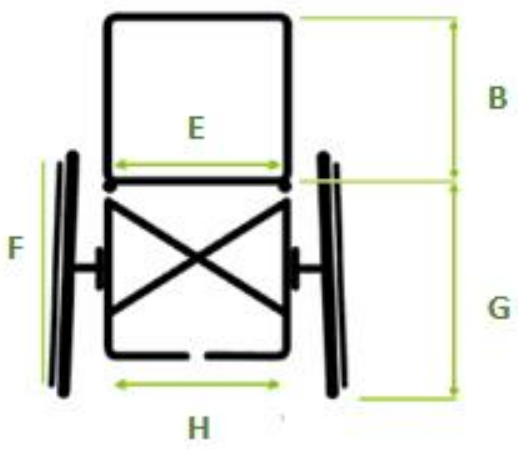
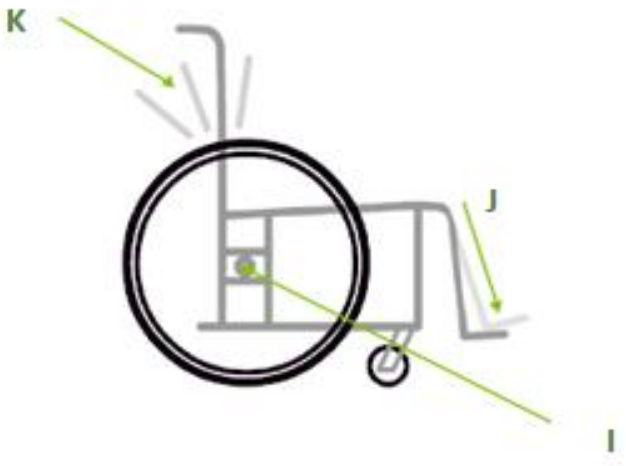
Size Chart / measuring guide
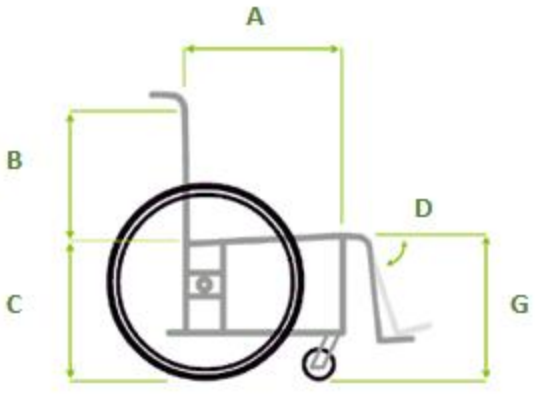
A-Seat DepthMeasure from the most posterior point of the body to the inside of the knee, minus at least two inches. Some prefer more leg overhang to make room for their hand when lifting their leg.B-Back HeightMeasured from the seat base to the top of the wheelchair back. Depends on how much upper back support is needed, and also affects freedom for the upper body to rotate.c-Rear Seat to FloorMeasurement from the ground to the rear seat edge. Relative to the front seat-to-floor dimension, this determines the rearward slope ("dump" or "squeeze") of the wheelchair seat.D-Hanger AngleDetermines how far the toes extend away from the body, measured from the horizontal. A tighter angle allows the wheelchair to turn around in less space. Depends in part on ability of the knee to bend towards the perpendicularE-Seat WidthDetermined by the widest point of the body from knee to hip, plus an inch to ensure room to move. Consider bulk of clothing, particularly a heavy winter coat, if relevant.F-Wheel CamberAngle of the wheel relative to the vertical. More camber improves stability and agility, but also limits ability to pass through narrow spaces. A typical daily wheelchair uses three degrees of camber.G-Front Seat to FloorMeasure the leg from the back of the knee to the sole of the foot. Then subtract the thickness of the cushion when it is compressed. Next, add a minimum of two inches for footrest clearance. Do not add the footrest clearance if the wheelchair will be foot-propelled.H-Footrest WidthMeasure from the inside of each leg rest tubing the distance or desired distance between leg rests.H-Footrest WidthMeasure from the inside of each leg rest tubing the distance or desired distance between leg rests.I-Center of GravityMeasure from the front of the seat back post to the center of the rear axle.J-Seat to Footrest LengthMeasure from the edge of the seat upholstery to the top rear of the footrest.K-Backrest AngleMeasure the angle of the back post to the floor. Ninety degrees will be perpendicular to the floor, to approximate the angle from the back post to the seat, subtract two degrees from measurement for every .5" of dump - Videos