

Avoid Battery Troubles: Can a Wheelchair or Scooter Battery Die While Riding
Posted by Build My Wheelchair on May 26th 2026
Few things disrupt your day like a dead battery while riding your wheelchair or scooter. Many don't realize how crucial proper wheelchair battery maintenance and using a compatible charger are to avoid this problem. Getting these basics right can keep you moving safely and confidently. Let's explore the battery care tips that make all the difference in battery safety for scooters and wheelchairs.

Understanding Why Batteries Die During Use
Yes, your wheelchair or scooter battery can die while you're riding. This happens more often than you might think, and it's not always because the battery is old or defective. Several factors contribute to unexpected power loss during use.
Common Causes of Battery Failure
Your battery may drain faster than expected when you're traveling uphill, carrying extra weight, or riding in cold weather. These conditions put extra strain on your power source. Old batteries that haven't received proper care lose their ability to hold a full charge, which means they'll run out sooner than the gauge indicates.
Poor scooter battery charging habits also play a major role. If you only charge your battery when it's completely empty, or if you frequently interrupt the charging cycle, you're reducing its lifespan and reliability.
Essential Wheelchair Battery Maintenance Practices
Taking care of your battery doesn't require technical expertise. Following a few simple wheelchair battery maintenance steps will keep your mobility device reliable.
Daily Care Routines
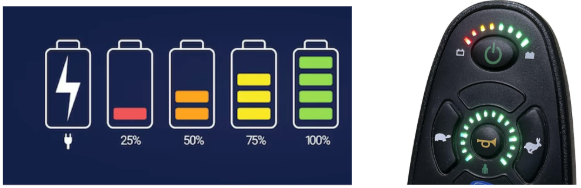
Check your battery indicator before each trip. Make this a habit just like checking your phone's charge before leaving home. Keep the battery terminals clean and free from corrosion by wiping them monthly with a dry cloth.
Store your wheelchair or scooter in a temperature-controlled environment when possible. Extreme heat or cold affects battery performance and can lead to unexpected failures during use.
Regular Charging Schedule
Charge your battery after every use, even for short trips. This practice maintains battery health and ensures you're always ready to go. Don't wait until the battery is completely drained, as deep discharges shorten battery life.
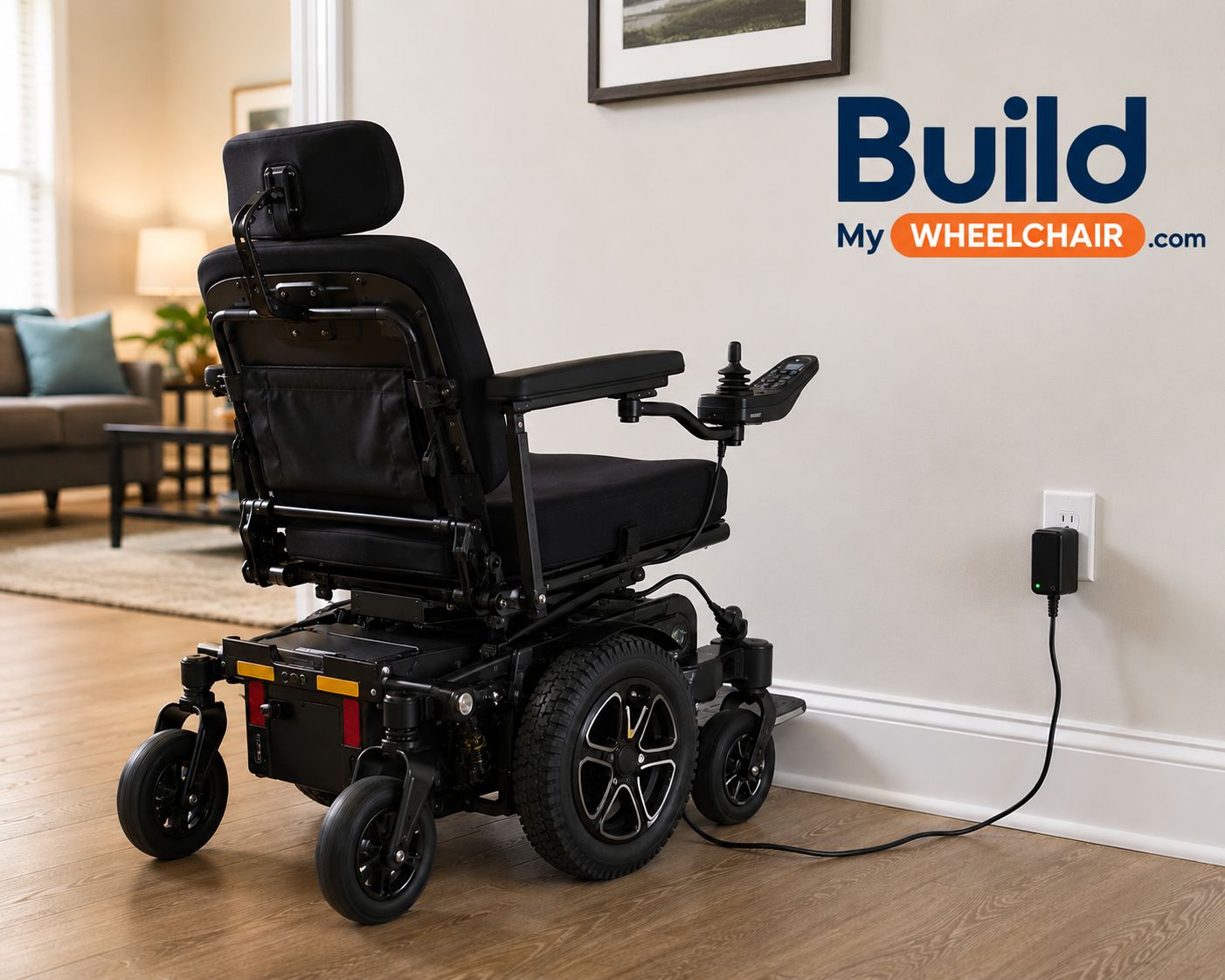
Plan to charge your battery overnight or for the time recommended in your owner's manual. Most batteries need 8 to 12 hours for a complete charge cycle.
The Critical Role of a Compatible Charger
Using the right charger is not optional. It's essential for battery safety for scooters and wheelchairs. A compatible charger matches your battery's voltage and chemistry type, delivering the correct amount of power at the right rate.
Risks of Using Wrong Chargers
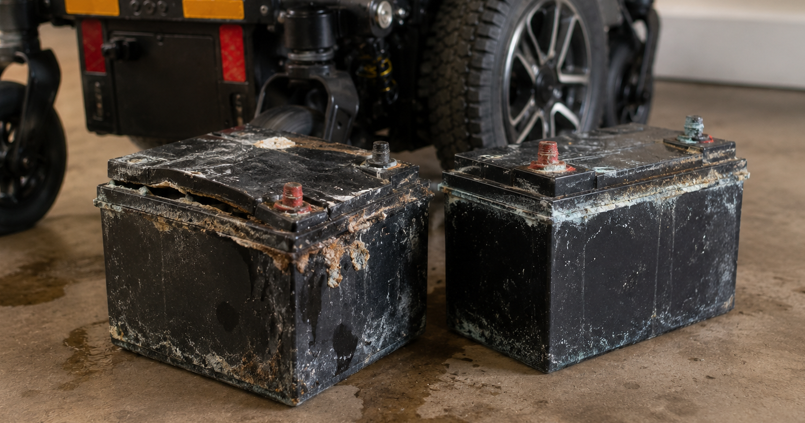
Generic or incompatible chargers may seem like money savers, but they can damage your battery permanently. They might overcharge, undercharge, or deliver unstable current that degrades battery cells. This damage often isn't visible until your battery fails unexpectedly during use.
Some incompatible chargers create safety hazards, including overheating or even fire risks. Your mobility and safety depend on using equipment designed specifically for your device.
Finding the Right Charger
Always purchase chargers from your wheelchair or scooter authorized dealers. If you've lost your original charger, consult your owner's manual for specifications or contact customer support for guidance.

Keep a record of your charger's model number and specifications in case you need a replacement. This information saves time and prevents ordering mistakes.
Battery Care Tips for Extended Lifespan
Smart battery care extends beyond basic charging. These battery care tips help you get the most from your investment while maintaining wheelchair riding safety.
Seasonal Considerations

Replacement Timing
Most wheelchair and scooter batteries last 1 to 2 years with proper care. Watch for warning signs that replacement is needed: shorter range between charges, longer charging times, or visible swelling or damage to the battery case.
Don't wait for complete failure. Replace batteries showing these signs to avoid being stranded.

Taking Action for Reliable Mobility
Your independence matters. By following proper wheelchair battery maintenance practices, maintaining a regular scooter battery charging routine, and always using a compatible charger, you protect yourself from unexpected battery failures.
Review your current battery care habits today. Make a charging schedule, inspect your charger for compatibility, and set reminders for regular maintenance checks. These small steps create big improvements in your daily mobility and peace of mind.
If you have questions about your specific wheelchair or scooter model, reach out to our customer service team. They can offer personalized guidance on battery care and recommend the right products for your needs. Your mobility device is your gateway to freedom. Treat its battery with the care it deserves.