The Ultimate Guide to Wheelchair Cushion Benefits: Enhancing Comfort and Preventing Pressure Ulcers
Posted by Build My Wheelchair on May 14th 2026
For individuals who rely on wheelchairs daily, comfort and health are paramount, and the right cushion can make all the difference. Wheelchair cushion benefits extend far beyond mere comfort, playing a critical role in pressure ulcers prevention by distributing weight evenly and reducing strain on vulnerable areas. As trusted advisors in mobility equipment care, we understand the importance of selecting the right cushion as part of comprehensive healthcare solutions. With a variety of options available, each designed with specific ulcer prevention techniques, choosing the ideal cushion can significantly enhance your overall well-being and mobility. Join us as we explore how the perfect cushion can transform your daily experience, offering support, comfort, and peace of mind.
Importance of Wheelchair Cushions
Wheelchair cushions are essential components that significantly impact the comfort and health of wheelchair users. They provide crucial support and play a vital role in preventing complications associated with prolonged sitting.
Enhancing Comfort Daily
Wheelchair cushions are designed to improve the daily comfort of users, making a significant difference in their quality of life. The right cushion can alleviate pain, reduce fatigue, and enhance overall sitting posture.
A well-chosen cushion provides proper support to the body, distributing weight evenly across the seat surface. This even distribution helps prevent pressure points and reduces the risk of discomfort during extended periods of sitting.
Moreover, cushions can help regulate temperature and moisture, keeping users cool and dry throughout the day. This feature is particularly important for individuals who spend long hours in their wheelchairs, as it helps prevent skin irritation and promotes overall comfort.
Pressure Ulcers Prevention
One of the most critical functions of wheelchair cushions is their role in pressure ulcers prevention. Pressure ulcers, also known as bedsores, are a serious concern for individuals with limited mobility.
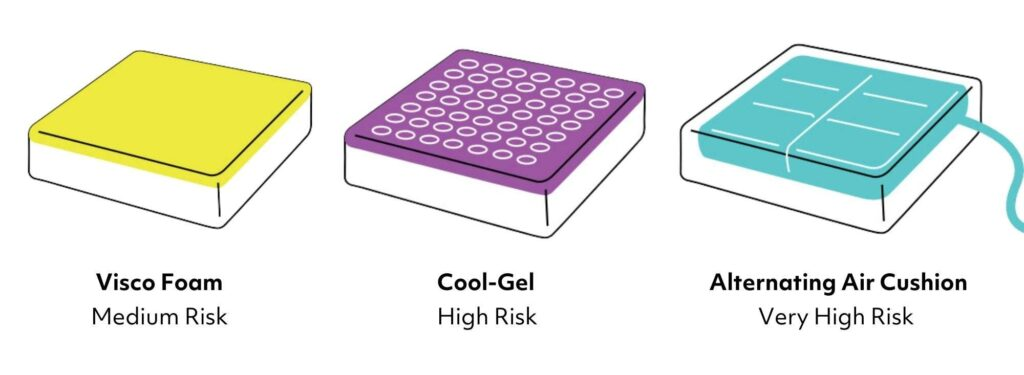
Pressure ulcers are injuries to skin and underlying tissue resulting from prolonged pressure on the skin. They typically occur on bony areas of the body, such as the tailbone, hips, and heels. For wheelchair users, the risk is particularly high in the pelvic region.
Specialized cushions designed for ulcer prevention techniques work by:
-
Redistributing pressure away from high-risk areas
-
Promoting better blood circulation
-
Reducing shear and friction forces on the skin
By implementing these strategies, quality wheelchair cushions significantly reduce the risk of developing pressure ulcers, contributing to better overall health and mobility for users.
Types of Wheelchair Cushions
Wheelchair cushions come in various types, each designed to meet specific needs and preferences. Understanding the different options available is crucial for selecting the most suitable cushion for individual requirements.
Gel and Foam Cushions
Gel and foam cushions are popular choices in mobility equipment care, offering a balance of comfort and support. These cushions combine the pressure-relieving properties of gel with the stability and cushioning of foam.
Gel cushions typically feature a layer of fluid gel that conforms to the user's body shape, providing excellent pressure distribution. This adaptability makes them effective in preventing pressure points and enhancing overall comfort.
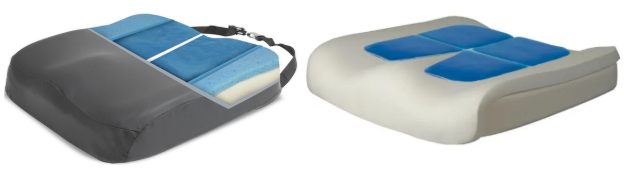
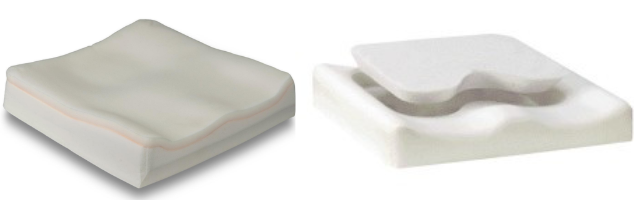
Foam cushions, on the other hand, come in various densities and can be layered or contoured to provide targeted support. High-density foam offers firm support, while memory foam molds to the body's shape for personalized comfort.
The combination of gel and foam in a single cushion often results in a product that offers the best of both worlds: the pressure-relieving qualities of gel and the supportive structure of foam.
Air-Filled Cushions
Air-filled cushions are another innovative solution in wheelchair cushion technology, offering unique benefits for pressure ulcers prevention and comfort. These cushions use air chambers to provide customizable support and pressure distribution.
The primary advantage of air-filled cushions is their adjustability. Users can modify the air pressure to achieve the optimal level of support and comfort for their individual needs. This feature is particularly beneficial for individuals at high risk of developing pressure ulcers.
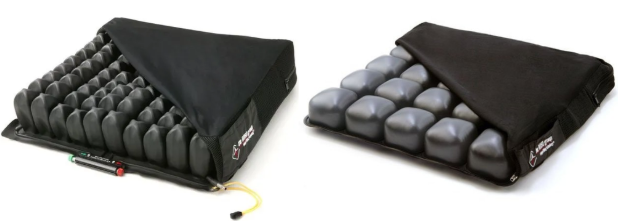
Air-filled cushions are also lightweight and easy to maintain, making them a practical choice for many wheelchair users. They provide excellent pressure distribution by allowing the user to "float" on the cushion, reducing the risk of pressure points.
However, it's important to note that air-filled cushions require regular monitoring and adjustment to maintain their effectiveness. Users should check the air pressure frequently to ensure optimal performance.
Choosing the Right Cushion
Selecting the appropriate wheelchair cushion is a crucial decision that can significantly impact a user's comfort, health, and overall quality of life. It's essential to consider various factors and seek expert advice to make the best choice.
Assessing Individual Needs
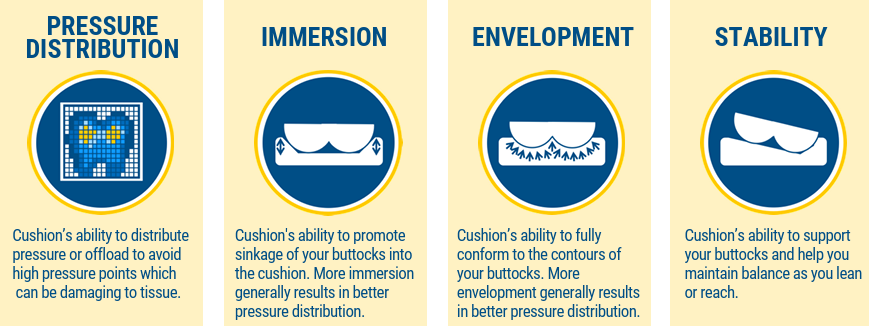
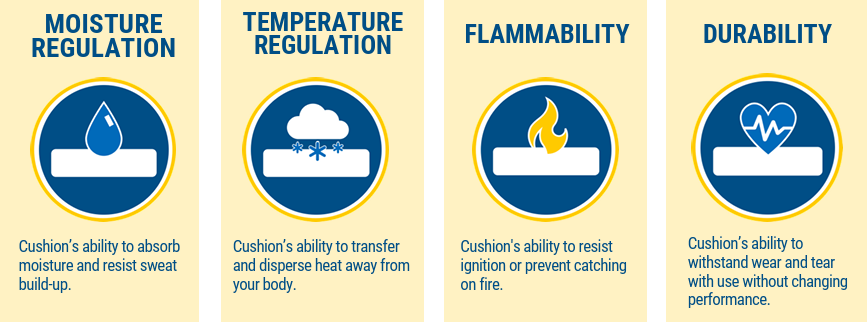
When choosing a wheelchair cushion, it's vital to assess individual needs and preferences. This process involves considering factors such as the user's body type, mobility level, and specific health concerns.
Start by evaluating the user's risk level for pressure ulcers. Individuals with limited mobility or a history of pressure ulcers may require more specialized cushions with advanced pressure-relieving features.
Consider the user's daily activities and lifestyle. For example:
-
Active users might prefer lightweight, low-profile cushions
-
Those who sit for extended periods may benefit from cushions with enhanced pressure distribution
-
Users with specific medical conditions may need cushions designed to address those issues
It's also important to consider the user's comfort preferences. Some may prefer firmer support, while others might find softer cushions more comfortable.
Consulting Healthcare Professionals
Seeking advice from healthcare professionals is a crucial step in selecting the right wheelchair cushion. These experts can provide valuable insights based on their knowledge and experience in mobility equipment care.
Occupational therapists and physical therapists can assess the user's specific needs and recommend cushions that address those requirements. They can evaluate factors such as posture, skin integrity, and functional abilities to determine the most suitable cushion type.
Seating specialists can conduct comprehensive evaluations to identify the ideal cushion based on the user's body measurements, weight distribution, and pressure mapping results. This personalized approach ensures that the chosen cushion provides optimal support and pressure relief.
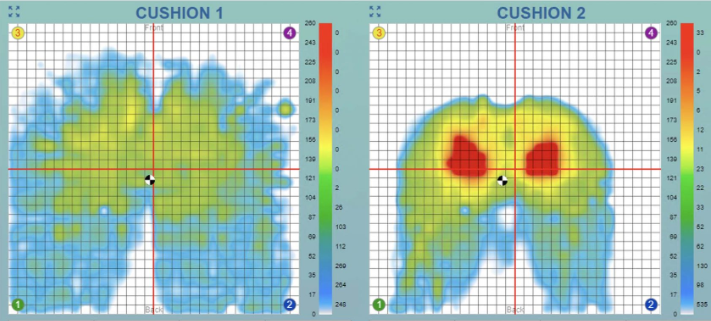
Healthcare professionals can also guide users on proper cushion use and maintenance, ensuring long-term effectiveness and durability. They may recommend periodic reassessments to adjust the cushion choice as the user's needs change over time.
Remember, the right cushion is an essential part of comprehensive healthcare solutions for wheelchair users. Don't hesitate to consult with experts to make an informed decision.
If you’d like to see more details and get a closer look at our current cushion collection then please click our link below.