

-
Description

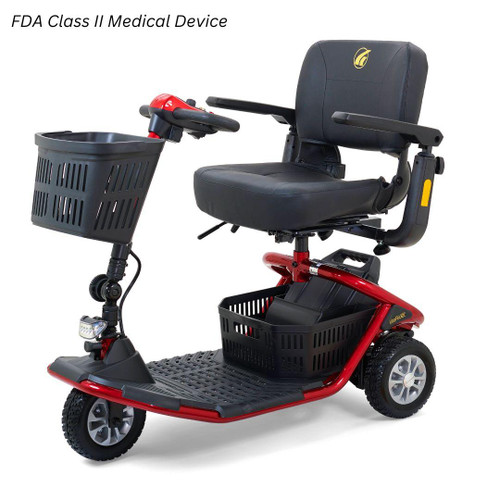
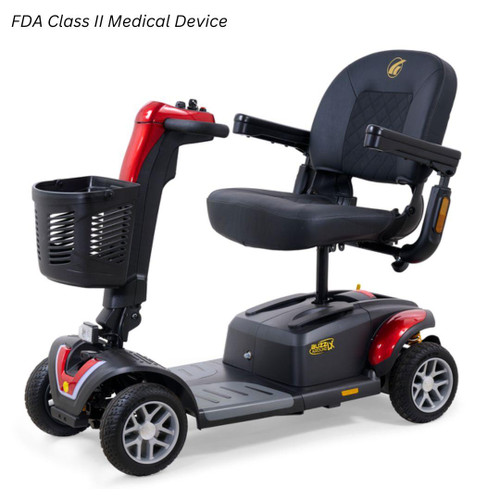
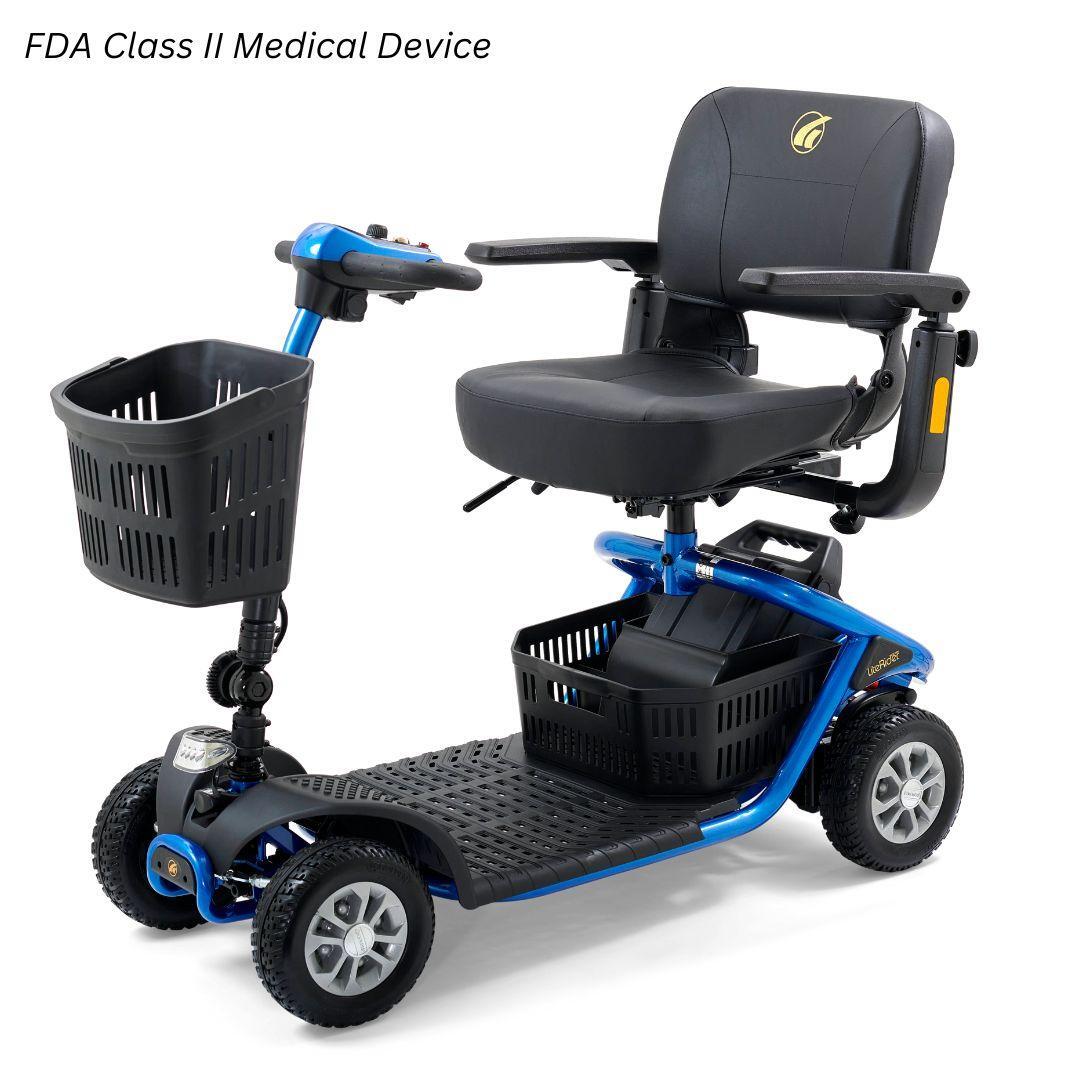
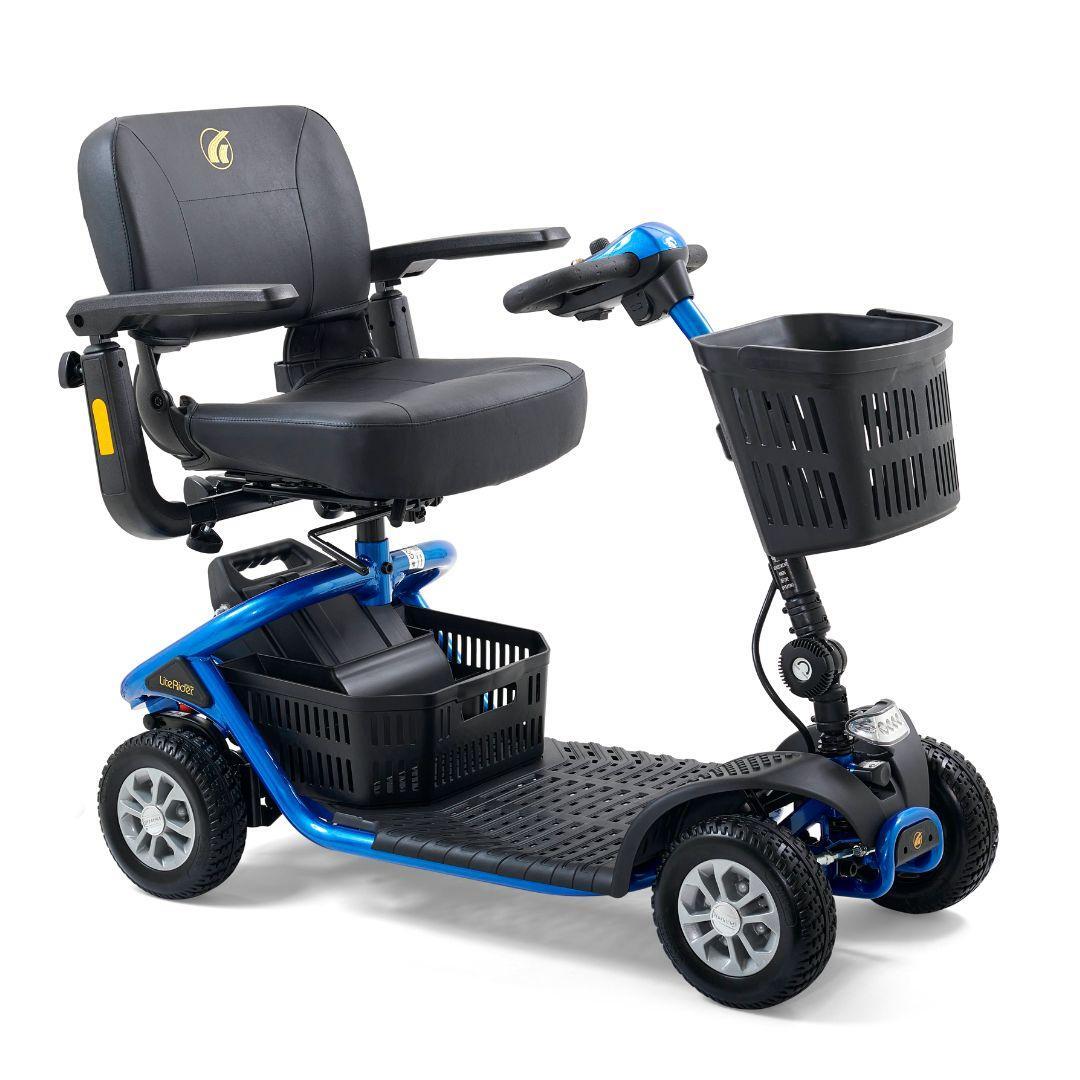
Buzzaround LiteRider 4-Wheel

Enjoy the best of both worlds with the LiteRider™ scooter! The LiteRider is a
full-size scooter with all of the benefits of a compact, portable scooter! The
LiteRider comes standard with a Delta Tiller, a large 17”x16” stadium style seat, and adjustable armrests. With a 300 lb. weight capacity, the LiteRider
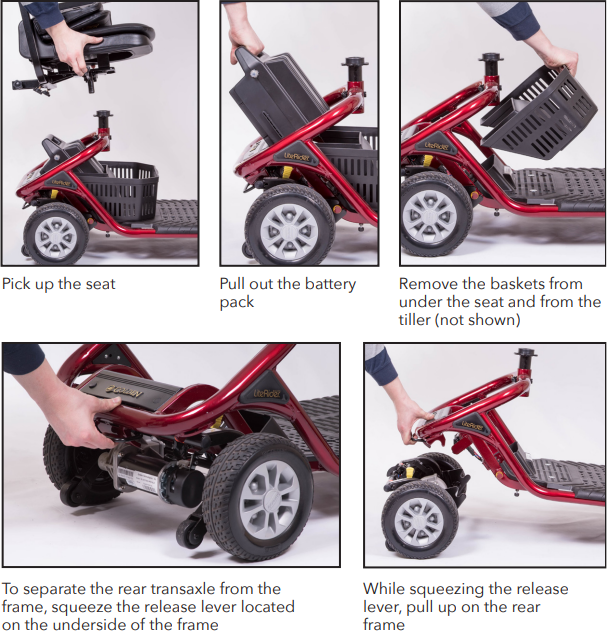
can be quickly and wirelessly disassembled for transport or storage.
- Full-size portable scooter with the convenience of wireless disassembly for easy transport and storage
- 300 lb. weight capacity with rugged anti-rust steel frame tubing for long-lasting durability
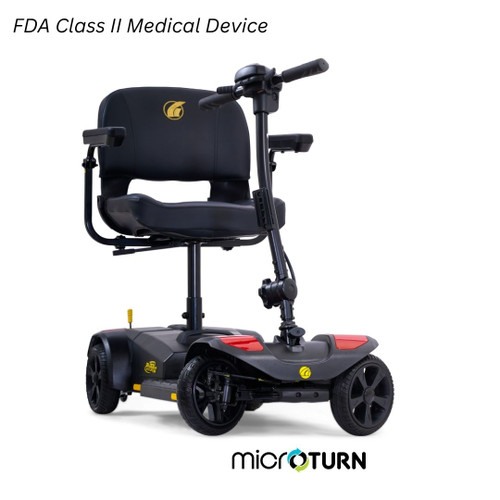
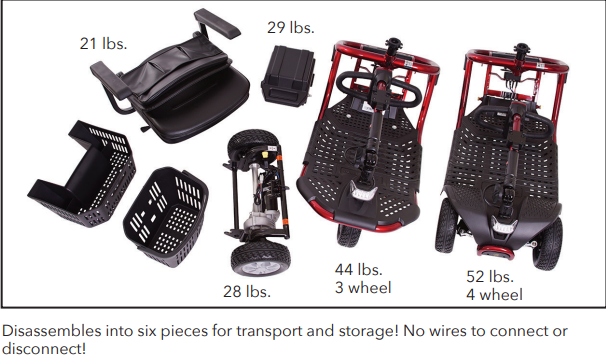
- Compact and portable – disassembles into six lightweight pieces without wires to connect or disconnect
- Operating range up to 12.5 miles on two 22AH batteries, ideal for daily errands or leisure rides
- Maximum speed of 5 mph for smooth indoor and outdoor mobility
- Available in 3-wheel (GL111) design for tighter turning radius, or 4-wheel (GL141) for added stability
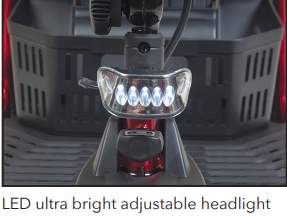
- LED ultra-bright adjustable headlight for safety and nighttime visibility
- Comfortable stadium-style seat (17”x16”) with adjustable armrests, or optional larger 20”x18” seat upgrade
- High-back seat design provides additional support for longer rides
- Rugged plastic floor deck for optimum strength and durability
- Freewheel mode, electro-mechanical brakes, and electronic speed control for safety and confidence
- Stylish color options: Red or Blue to fit personal preference
- FDA Class II Medical Device
- Backed by Golden Technologies’ lifetime frame warranty and trusted reliability
Standard Features:
- Wraparound Delta Tiller
- 300 lb. weight capacity
- Rugged anti-rust steel frame tubing
- Rugged plastic floor deck for optimum durability
- Completely wireless disassembly
- LED ultra bright adjustable headlight
Quick and Wireless Disassembly


Colors

Specifications
- Medicare Code - K0800
- User Weight Capacity - 300 lbs
- Drive Wheels - Rear
- Maximum Speed - 5 mph
- Ground Clearance Under Deck - 3.75”
- Ground Clearance to Transaxle/ Motor - 2.5”
- Turning Radius - 48″
- Type Batteries - 2-22 AH
- Colors - Blue, Red
- Freewheel Mode - Yes
- Electronic Speed Control - Yes
- Electro-Mechanical Brakes - Yes
- Charger - Off Board
- Controller - 90 Amp
- Length - 43.25″
- Width - 22″
- Height (ground to top of back of seat) - 37” – 39”
- Ground to Top of Seat - 23.5” – 25.5”
- Ground to Top of Deck - 6″
- Deck to Top of Seat - 18” – 20”
- Number Seat Height Positions - 3
- Size of Increments - 1”
- Front Axle to Rear Axle - 30”
- Weight of Unit (assembled) - 133 lbs
- Front Half Weight - 52 lbs
- Rear Half Weight - 28 lbs
- Seat with Arms Weight - 21 lbs
- Batteries Weight - 29 lbs/pack
- Heaviest Piece - 52 lbs
- Tires (standard) - Solid/Low Profile
- Front Tires - 9″
- Rear Tires - 9″
- Rear Anti-Tippers - 2”
- Standard Seat - Highback
- Seat Back Height – no headrest - 16”
- Seat Width x Depth - 18″ x 16″
- Seat Color - Black Vinyl
- Optional Seat - Stadium Style
- Optional Seat Back Height – no headrest - 16”
- Optional Seat Width x Depth - 20” x 18”
- Optional Seat Color - Black Vinyl
- Warranty Frame - Lifetime
- Warranty Drive Train - 2 years
- Warranty Electronics - 2 years
- Warranty Batteries - 1 year
-
Size Chart / measuring guide
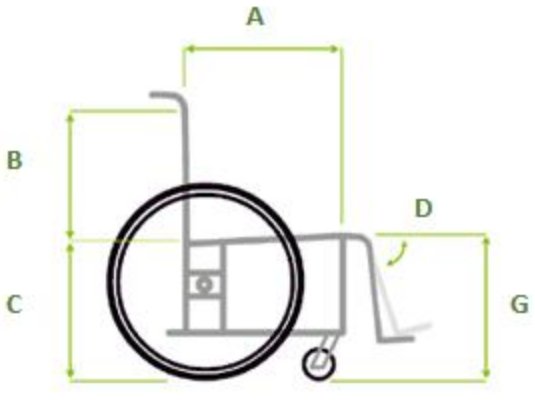
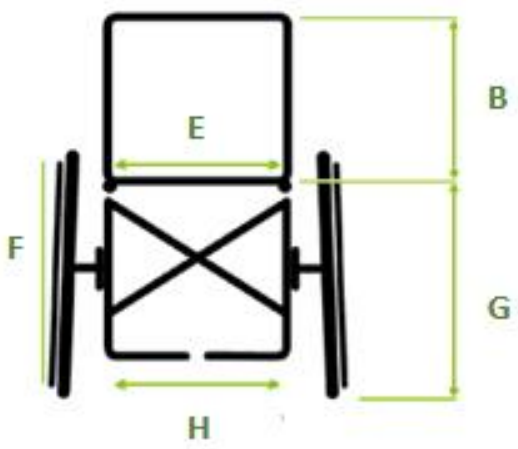
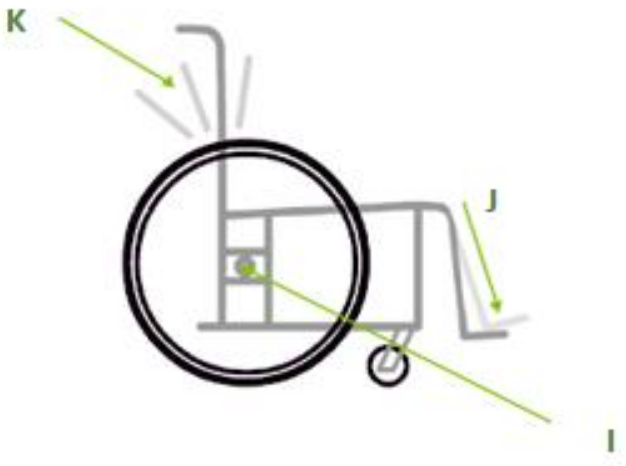
A-Seat DepthMeasure from the most posterior point of the body to the inside of the knee, minus at least two inches. Some prefer more leg overhang to make room for their hand when lifting their leg.B-Back HeightMeasured from the seat base to the top of the wheelchair back. Depends on how much upper back support is needed, and also affects freedom for the upper body to rotate.c-Rear Seat to FloorMeasurement from the ground to the rear seat edge. Relative to the front seat-to-floor dimension, this determines the rearward slope ("dump" or "squeeze") of the wheelchair seat.D-Hanger AngleDetermines how far the toes extend away from the body, measured from the horizontal. A tighter angle allows the wheelchair to turn around in less space. Depends in part on ability of the knee to bend towards the perpendicularE-Seat WidthDetermined by the widest point of the body from knee to hip, plus an inch to ensure room to move. Consider bulk of clothing, particularly a heavy winter coat, if relevant.F-Wheel CamberAngle of the wheel relative to the vertical. More camber improves stability and agility, but also limits ability to pass through narrow spaces. A typical daily wheelchair uses three degrees of camber.G-Front Seat to FloorMeasure the leg from the back of the knee to the sole of the foot. Then subtract the thickness of the cushion when it is compressed. Next, add a minimum of two inches for footrest clearance. Do not add the footrest clearance if the wheelchair will be foot-propelled.H-Footrest WidthMeasure from the inside of each leg rest tubing the distance or desired distance between leg rests.H-Footrest WidthMeasure from the inside of each leg rest tubing the distance or desired distance between leg rests.I-Center of GravityMeasure from the front of the seat back post to the center of the rear axle.J-Seat to Footrest LengthMeasure from the edge of the seat upholstery to the top rear of the footrest.K-Backrest AngleMeasure the angle of the back post to the floor. Ninety degrees will be perpendicular to the floor, to approximate the angle from the back post to the seat, subtract two degrees from measurement for every .5" of dump